
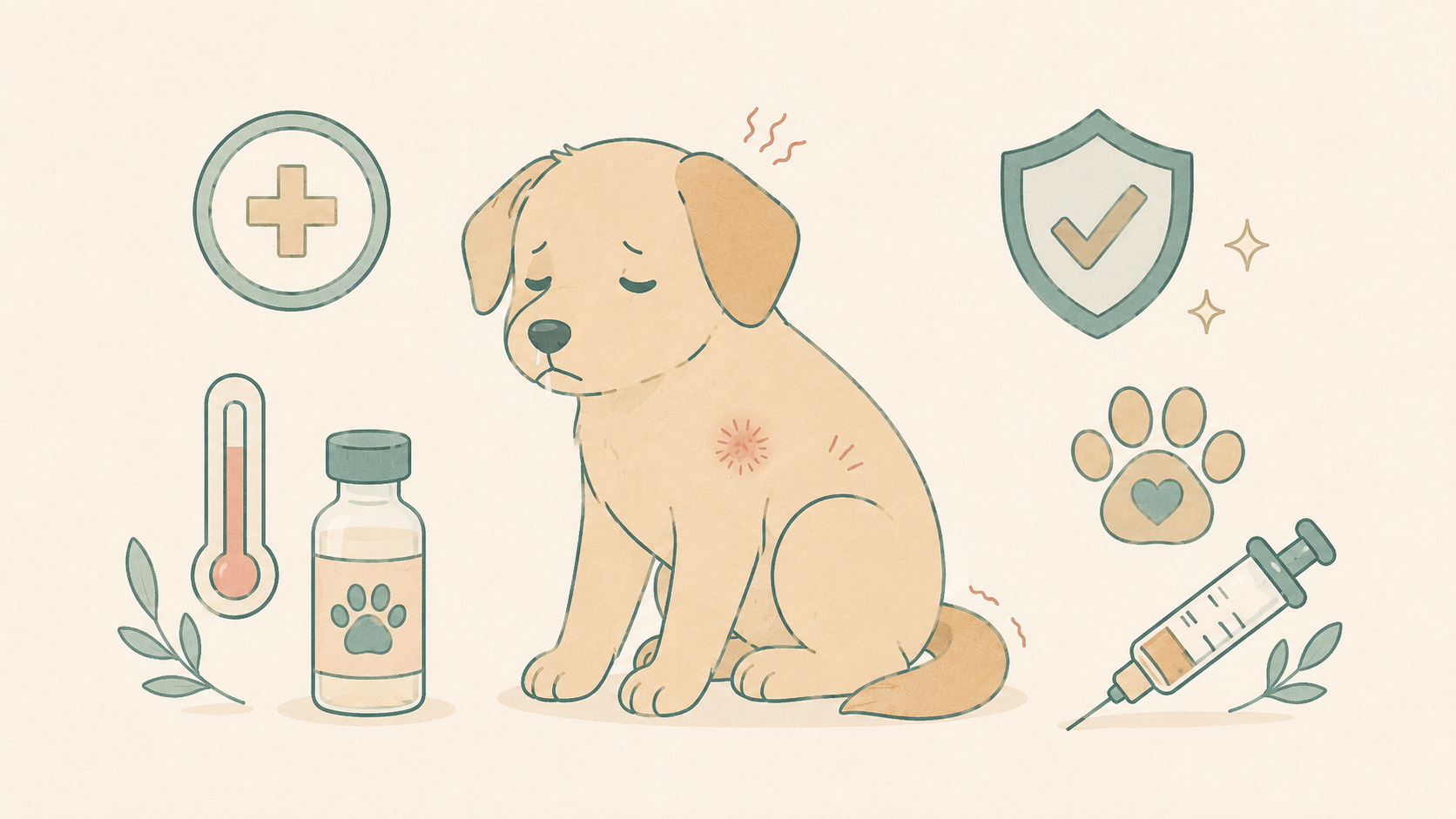
Distemper in dogs is a dangerous viral disease that can affect the respiratory, digestive, nervous, and other body systems at the same time. In its early stages, the disease may resemble a cold, an intestinal infection, or general discomfort: the dog becomes lethargic, refuses food, and develops discharge from the eyes or nose. Because of this, the owner may not immediately realise how serious the situation is.
The symptoms of distemper in dogs vary considerably. Some animals mainly develop coughing and nasal discharge, while others experience vomiting, diarrhoea, or neurological disorders. The signs may appear gradually, temporarily become less noticeable, and then return in a more severe form. Therefore, any combination of fever, depression, respiratory, digestive, and neurological symptoms requires professional veterinary assessment.
Canine distemper is particularly dangerous for unvaccinated puppies, animals with an unknown vaccination status, and dogs with weakened immune systems. The disease can lead to pneumonia, severe dehydration, seizures, paralysis, and permanent neurological complications. At the same time, timely prevention significantly reduces the risk of infection. Owners should also understand the most common diseases in dogs and their symptoms, as many conditions can initially cause similar changes in behaviour and general well-being.
What Is Distemper in Dogs?

To understand what distemper in dogs is, it is important to distinguish it from human plague and other diseases with similar names. Canine distemper is a systemic viral infection caused by the canine distemper virus, or CDV. It belongs to the Morbillivirus genus within the Paramyxoviridae family. The condition is also known as Carré's disease, named after the French veterinarian Henri Carré, who confirmed its viral origin at the beginning of the twentieth century.
The question "What kind of disease is distemper?" often arises because of its alarming name. In reality, canine distemper is not associated with the bacterium that causes plague in humans. It is a separate disease affecting animals, primarily members of the order Carnivora. In addition to domestic dogs, foxes, wolves, raccoons, ferrets, mink, skunks, and certain other wild or captive animals may be susceptible to the virus.
After entering the body, the virus initially multiplies in the lymphatic tissue of the respiratory tract. It then spreads through the bloodstream and may affect the respiratory organs, digestive and urogenital tracts, skin, eyes, central nervous system, and optic nerves. At the same time, the virus weakens the immune defences, making the body vulnerable to secondary bacterial infections. This systemic involvement is what makes the disease so dangerous.
Canine distemper is not transmitted to humans. CDV is not considered a zoonotic virus and does not cause canine distemper in people. However, anyone who has had contact with an infected animal or its secretions should follow proper hygiene measures. Fresh contamination on hands, clothing, footwear, or care items may be mechanically transferred to another susceptible animal.
How Do Dogs Become Infected With Distemper?
The main route of CDV transmission is through respiratory droplets. An infected animal releases the virus while coughing, sneezing, barking, and breathing. The greatest risk occurs during close contact, especially in enclosed or poorly ventilated spaces where many dogs are present at the same time.
When explaining how canine distemper is transmitted, it is important to consider more than airborne exposure. The virus may be present in saliva, discharge from the eyes and nose, urine, faeces, and other bodily fluids of an infected animal. Transmission may occur through direct contact, sniffing, or the shared use of bowls, toys, bedding, cages, carriers, and grooming equipment if these items have recently been contaminated.
The danger is that a dog may shed the virus before visible symptoms appear. Even an animal with a mild form of the disease may seem almost healthy while remaining a source of infection. Viral shedding may also continue for several weeks or months after clinical recovery. The exact period during which a dog remains contagious should be determined by a veterinarian based on the course of the disease and diagnostic results.
Unlike parvovirus, CDV is relatively unstable outside the body and is sensitive to many commonly used disinfectants. However, low temperatures may allow it to survive for longer, while close contact and poor hygiene promote the spread of infection. The risk is especially high in shelters, kennels, boarding facilities, areas with large populations of stray animals, and households where several unvaccinated dogs are kept together.
Domestic dogs are not the only possible source of infection. Contact with infected wild carnivores or environments contaminated with their secretions can also be dangerous. Therefore, a dog that lives in a rural area, roams without supervision, hunts, or regularly encounters wildlife is not protected from distemper simply because it rarely meets other domestic dogs.
Which Dogs Are at Higher Risk?
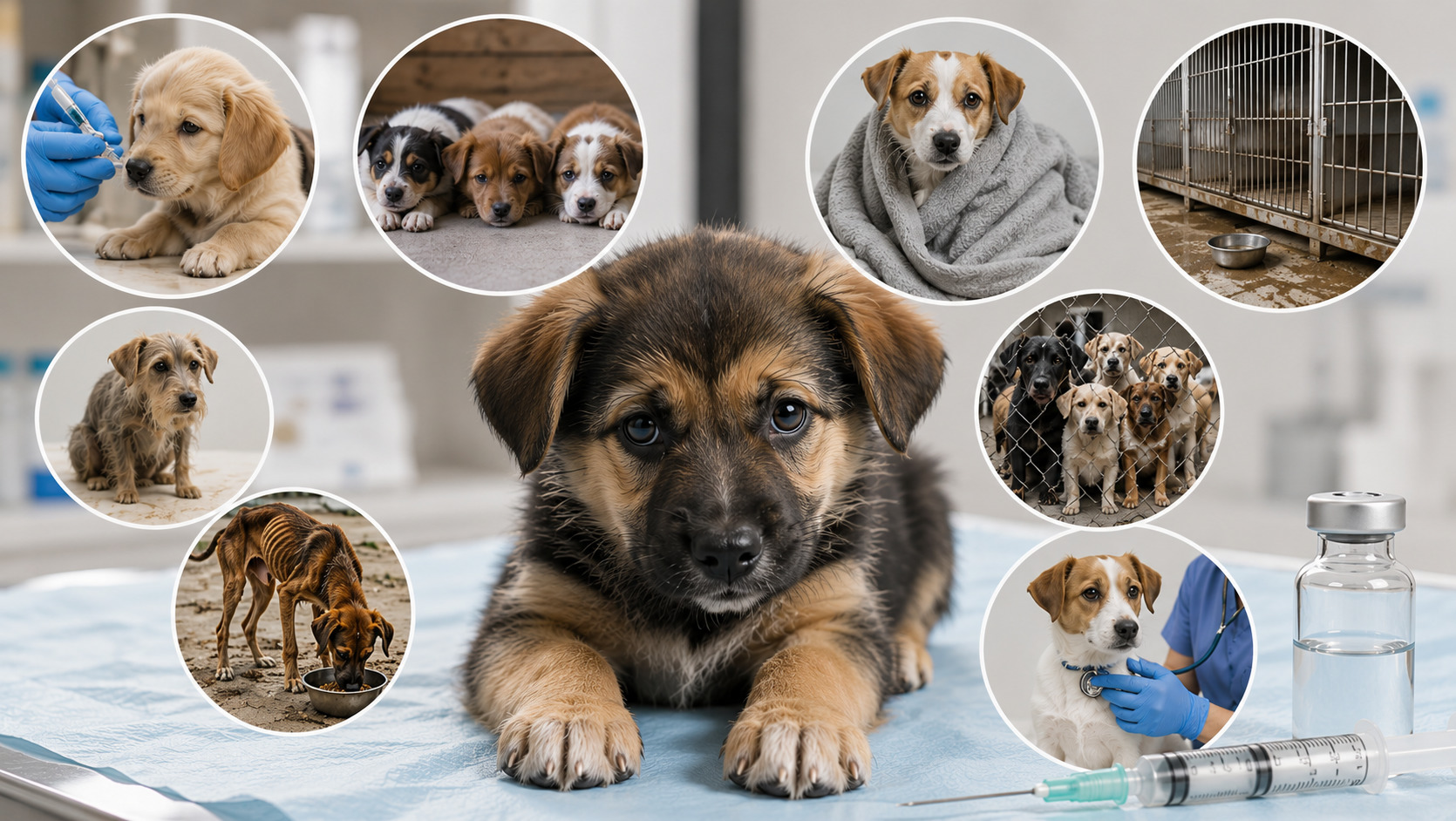
Severe distemper most commonly develops in dogs that do not have adequate vaccination protection. This primarily includes unvaccinated puppies, dogs that have received only part of their initial vaccination series, and adult animals with an unknown vaccination history. Properly vaccinated dogs usually have reliable immune protection, although no preventive method can provide an absolute guarantee for every individual animal.
Puppies are particularly vulnerable because their immune systems are still developing. After birth, they receive maternal antibodies through colostrum, but this protection gradually decreases. At the same time, remaining maternal antibodies may temporarily neutralise the vaccine antigen. This creates what is known as the window of susceptibility, when natural protection is no longer sufficient but a strong response to vaccination may not yet have developed. For this reason, puppies require a series of vaccinations according to a schedule established by a veterinarian rather than a single injection.
Dogs with weakened immune systems, severe malnutrition, serious chronic illnesses, or a substantial parasite burden are also at increased risk. Stress, hypothermia, poor nutrition, overcrowded housing, and inadequate sanitation may further increase susceptibility to infection.
Animals adopted from shelters, found on the street, purchased from unregulated markets, obtained from unverified breeders, or kept in high-density facilities require particular attention. Their vaccination status may be unknown, and their exposure to potential carriers may have been prolonged. After adopting such a dog, a veterinary examination should be arranged before introducing the animal to other household pets.
Dog breeds cannot be universally divided into those that are protected from CDV and those that are not. The main factors usually include age, immune status, vaccination quality, intensity of viral exposure, and overall health.
Incubation Period and Disease Progression
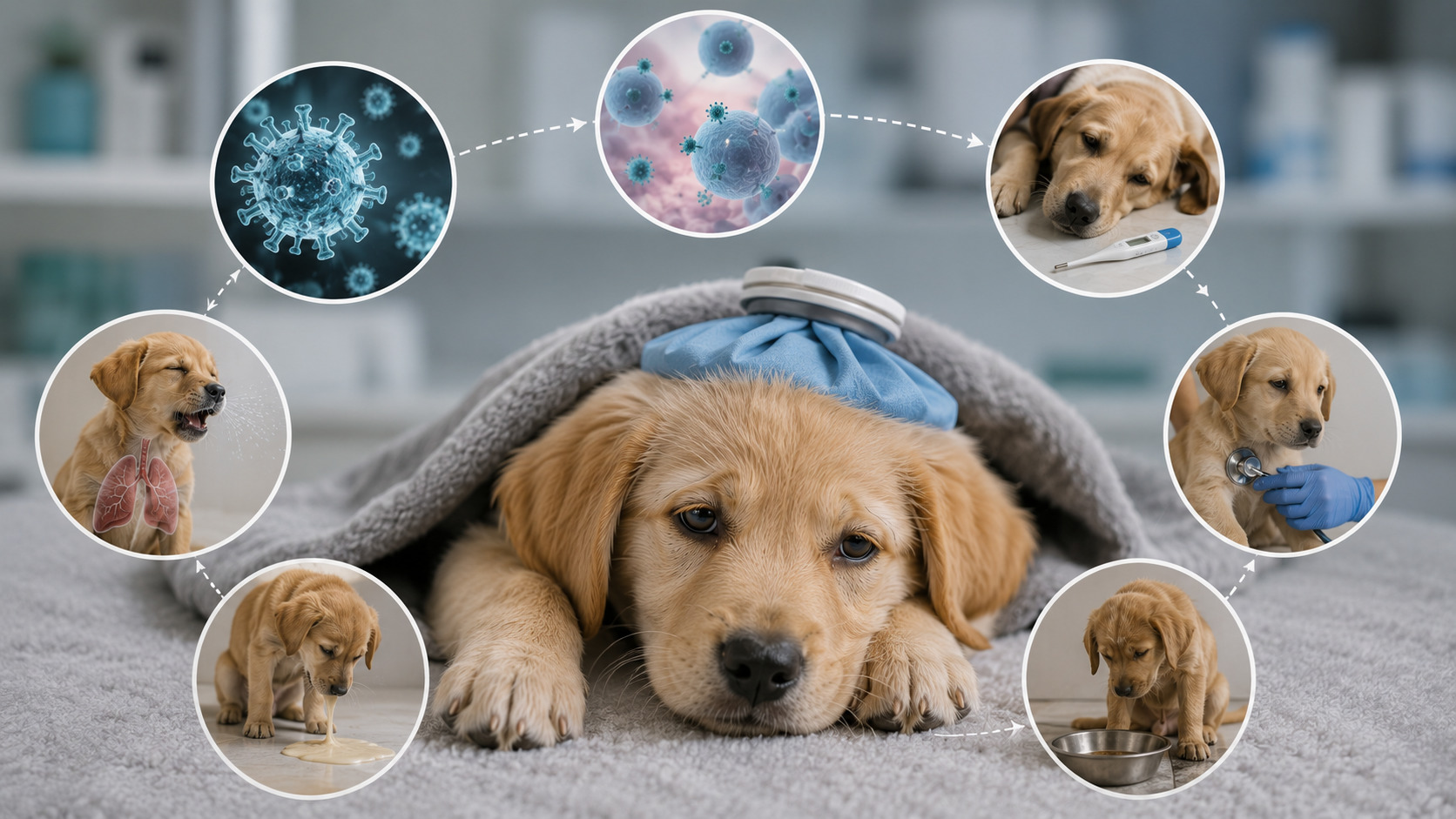
Clinical signs do not always appear immediately after infection. The virus multiplies inside the body, spreads through the lymphatic system, and suppresses the immune response. During this period, a dog may appear healthy or show such mild behavioural changes that the owner does not associate them with a serious infection.
The course of canine distemper is not the same in every animal. It depends on age, immune status, vaccination protection, the strain of the virus, the infectious dose, existing health problems, and the development of secondary infections. In some dogs, the disease remains barely noticeable, while in others it quickly progresses to severe systemic illness.
How Long Is the Incubation Period?
The first noticeable signs most commonly appear approximately 7-14 days after infection. However, the incubation period may be shorter than one week or extend for several weeks. According to veterinary sources, symptoms in different clinical situations may appear anywhere from a few days to six weeks after exposure.
The first brief increase in body temperature may occur as early as the third to sixth day after infection. It may be accompanied by a reduction in white blood cell numbers and a moderate loss of appetite, but it frequently goes unnoticed. The temperature may then temporarily return to normal, creating the false impression that the dog is recovering.
The length of the incubation period is influenced by the strength of the immune response, the dog's age, partial vaccination protection, the amount of virus that entered the body, and the animal's general health. Because of this variability, the absence of symptoms immediately after contact does not prove that infection has not occurred.
There is also no single answer to how long distemper lasts in dogs. The acute systemic phase may continue for approximately ten days in some cases, but the overall disease may last for several weeks. Neurological problems may develop together with other symptoms, several weeks later, or even after a considerably longer period.
How Does the Disease Develop?
During the first stage, the virus usually enters through the mucous membranes of the respiratory tract and multiplies in the local lymphatic tissue. It gradually spreads to the lymph nodes, spleen, thymus, and other parts of the immune system. During this period, the first wave of fever, lethargy, and reduced appetite may develop.
If the immune system produces a sufficiently strong response quickly, the spread of the virus may be limited, and symptoms may remain mild or never become noticeable. If the immune response is weak, viraemia develops and the pathogen reaches the epithelial tissues of the respiratory, digestive, and urogenital systems, as well as the skin, eyes, and central nervous system.
A second wave of fever may begin after a short period of apparent improvement. Watery discharge from the eyes and nose develops and may later become thicker. The dog may experience coughing, depression, loss of appetite, vomiting, or diarrhoea. Because the immune system is suppressed, bacterial infections frequently develop and may complicate the disease with bronchitis, bronchopneumonia, purulent discharge, and more severe inflammation of the digestive tract.
The nervous system may be affected during the acute stage or later. The dog may begin to stagger, lose coordination, develop localised muscle twitching, seizures, limb weakness, or behavioural changes. The appearance of neurological symptoms usually worsens the prognosis, and some disorders may remain even after the systemic infection has been overcome.
Forms of Canine Distemper
The division into separate forms is conditional because several body systems are often affected at the same time. Based on the speed of progression, the disease may be described as peracute, acute, subacute, or chronic. The peracute form progresses rapidly and may cause a sudden deterioration before a complete clinical picture develops. The acute form is accompanied by pronounced fever, depression, and systemic symptoms. With a subacute course, signs develop gradually, while a chronic course may involve persistent or delayed neurological disorders.
Based on the predominant location of symptoms, veterinarians may describe respiratory, gastrointestinal, cutaneous, neurological, or mixed forms. The respiratory form mainly causes coughing, discharge, and lung inflammation. The gastrointestinal form is associated with vomiting, diarrhoea, and dehydration. Skin manifestations may include pustules and thickening of the nose or paw pads. The neurological form is characterised by impaired coordination, muscle twitching, seizures, paresis, or paralysis.
In practice, these forms should not be treated as separate diseases with clear boundaries. For example, a dog may initially develop respiratory signs, followed by diarrhoea and then seizures or myoclonus. This is why the full combination of symptoms and their progression over time must be evaluated.
Early Symptoms of Distemper in Dogs

The initial signs are often nonspecific. They may resemble a respiratory infection, poisoning, a parasitic disease, parvoviral enteritis, infectious hepatitis, or another medical condition. It is impossible to determine the cause based only on visible symptoms.
When a dog develops distemper, the symptoms may change throughout the day or temporarily become less noticeable. An improvement in appetite or a reduction in temperature does not necessarily mean that the body has overcome the infection. The appearance of neurological problems after a period of apparent recovery is particularly dangerous.
General Signs of the Disease
During the early stage, the owner may notice fever, reduced activity, sleepiness, reluctance to play, poor appetite, increased thirst, or refusal to drink. The dog may hide, avoid bright light, tremble, tire quickly, and react more slowly to familiar stimuli.
Discharge from the eyes and nose is initially clear. As the inflammation progresses, it may become thick, mucous, or purulent. The eyelids may stick together, the eyes may become red, breathing may become noisy, and coughing may develop. Nausea, vomiting, loose stools, and weight loss may occur at the same time.
Individual signs do not confirm the diagnosis. Distemper in a dog may begin only with depression or eye discharge, but the same manifestations can occur with many other diseases. Suspicion becomes stronger when several symptoms appear together in an unvaccinated dog, after contact with ill or stray animals, or when the animal's condition deteriorates rapidly.
Symptoms According to the Affected Body System
When the respiratory system is affected, nasal discharge, sneezing, coughing, and rapid or difficult breathing may develop. Viral inflammation and a secondary bacterial infection can lead to pneumonia. The dog may breathe more frequently, avoid movement, and tire quickly. In severe oxygen deficiency, the mucous membranes may develop a bluish colour.
Digestive tract involvement may cause nausea, repeated vomiting, diarrhoea, abdominal pain, and refusal to eat. The animal loses water and electrolytes, which can result in dehydration. Even a relatively short period of vomiting and diarrhoea may become critical for puppies and underweight dogs.
Eye-related manifestations include conjunctival redness, excessive tearing, sensitivity to light, and mucous or purulent discharge. In some dogs, the virus affects internal eye structures and the optic nerves, potentially impairing vision. Eye treatments should only be used after a veterinary examination because different causes of inflammation require different treatment.
Small pustular eruptions may sometimes appear on the skin, particularly in areas with less hair. After the acute phase, hyperkeratosis may develop, causing excessive thickening and hardening of the skin on the nose and paw pads. This manifestation is the reason for the term hard pad disease. However, similar changes may occur with other skin diseases in dogs, so they cannot independently confirm a diagnosis of distemper.
Neurological symptoms may include poor coordination, an unsteady gait, head tilt, walking in circles, involuntary eye movements, limb weakness, paresis, and paralysis. A characteristic but not universal sign is myoclonus, which involves rhythmic involuntary contractions of individual muscles. These contractions may sometimes continue while the dog is sleeping.
Seizures may be focal or generalised. Some dogs develop repeated chewing movements of the jaw accompanied by excessive salivation. Any seizure, loss of consciousness, sudden disorientation, or inability to stand requires emergency veterinary attention.
Puppies that become infected while their permanent teeth are developing may sustain damage to the enamel. After eruption, the teeth may have an uneven surface, visible defects, or areas of inadequate mineralisation. These changes are permanent and require monitoring by a veterinary dentist.
How Does a Veterinarian Diagnose Canine Distemper?
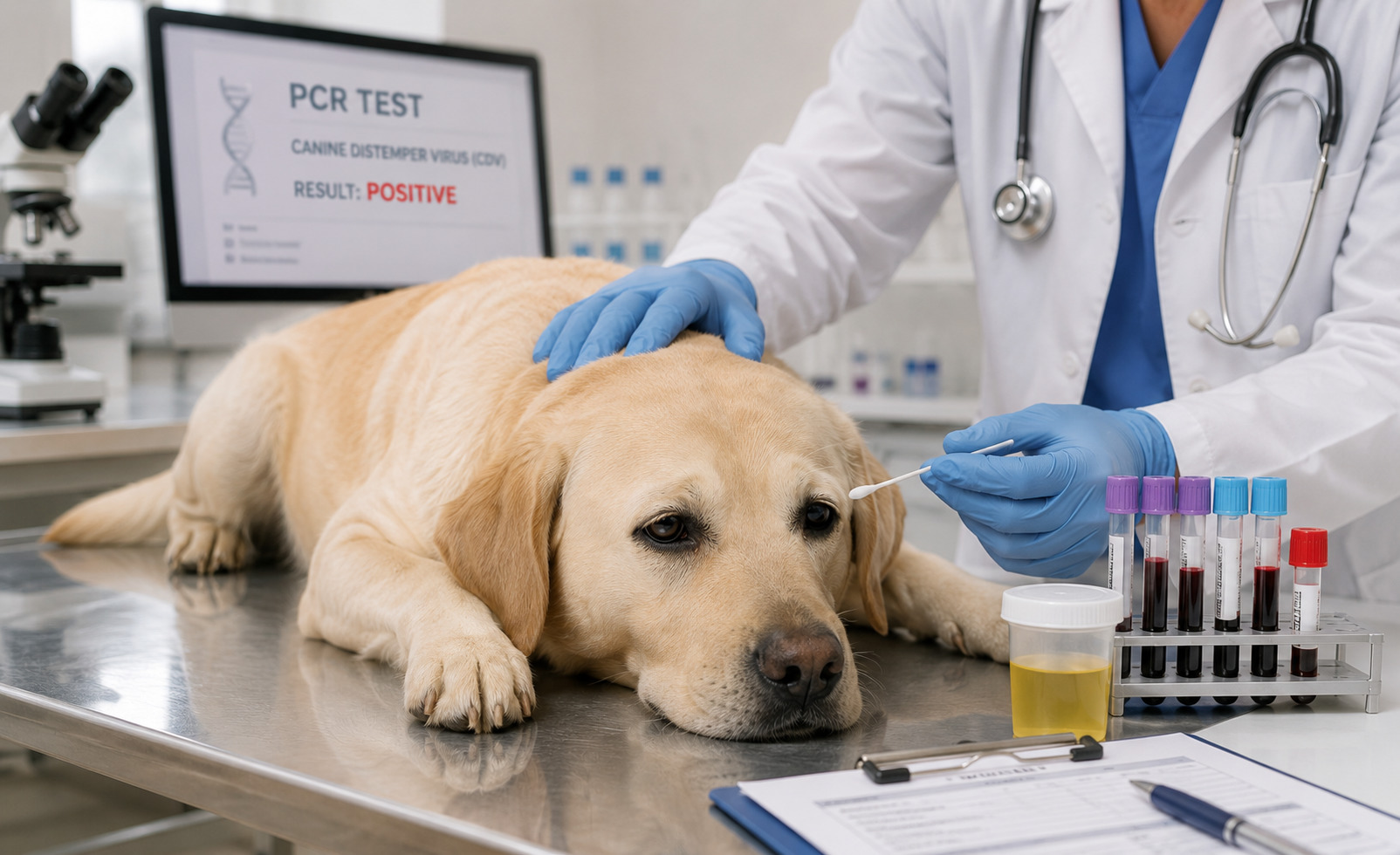
Diagnosis begins with collecting the dog's medical history. The veterinarian will ask about the animal's age and origin, the date and name of the most recent vaccine, the number of doses received, possible contact with other animals, when the first symptoms appeared, and the order in which they developed. It is particularly important to mention any stay in a shelter, kennel, boarding facility, veterinary hospital, or other location where many dogs were present.
During the clinical examination, the veterinarian assesses the dog's temperature, level of consciousness, degree of dehydration, mucous membranes, eyes, nose, lungs, digestive system, and nervous system. Because the symptoms overlap with those of many other infections, a physical examination alone is usually insufficient.
PCR or quantitative PCR is one of the main methods used for laboratory confirmation because it can detect the virus's genetic material. Depending on the stage of the disease and the predominant symptoms, the veterinarian may collect conjunctival swabs, nasal or other mucosal swabs, blood, urine, respiratory fluid, or other samples.
Recent vaccination must be taken into account. Certain laboratory methods may temporarily detect the vaccine virus or antibodies produced in response to vaccination. Therefore, test results should not be interpreted separately from the vaccination date, clinical presentation, and characteristics of the testing system.
Serological tests detect antibodies to CDV. In complex neurological cases, antibodies in the blood and cerebrospinal fluid may need to be compared. A complete blood count, biochemical blood tests, urinalysis, chest radiographs, and other examinations can help assess dehydration, inflammation, pneumonia, organ function, and secondary complications.
Attempting to diagnose the disease at home is dangerous. Similar symptoms may be caused by parvovirus, adenovirus, infectious tracheobronchitis, toxic substances, parasites, bacterial infections, and neurological disorders. Incorrect treatment wastes valuable time and may further worsen the dog's condition.
Treatment of Distemper in Dogs

If CDV infection is suspected, the dog should be isolated from other susceptible animals and examined by a veterinarian as soon as possible. The clinic should be informed about the symptoms and possible infection before arrival. This allows the staff to organise the appointment in a way that reduces contact with other patients.
There is no universal canine distemper treatment protocol suitable for unsupervised use at home. Treatment depends on the degree of dehydration, the organs affected, the presence of pneumonia, vomiting, diarrhoea, seizures, secondary infections, and whether the animal can eat and drink independently.
Is There a Cure for Canine Distemper?
There is currently no universally recognised specific medication that can reliably eliminate CDV from the body and guarantee recovery in every dog. Supportive care remains the foundation of treatment. Its purpose is to maintain vital functions, reduce symptoms, prevent critical dehydration, and help the body develop an effective immune response.
Antibiotics do not act against the virus. A veterinarian may prescribe antibacterial medication if a secondary bacterial infection, such as bronchopneumonia, is suspected. Using antibiotics without a clinical indication does not eliminate the cause of the disease, may cause adverse reactions, and can make further treatment selection more difficult.
Information about experimental antiviral, immune-based, or other methods does not mean that they have proven effectiveness for independent clinical use. Any decision regarding nonstandard therapy must be made by a veterinarian after evaluating the available evidence, expected benefits, and potential risks.
What Treatment Does a Veterinarian Prescribe?
In milder cases, part of the treatment may be provided at home under regular veterinary supervision. Dogs with repeated vomiting, severe dehydration, difficult breathing, refusal to drink, seizures, or profound weakness often require hospitalisation.
Fluid therapy is used to restore water and electrolyte balance. The amount and composition of the fluids are calculated according to the dog's weight, degree of dehydration, losses caused by vomiting and diarrhoea, kidney function, and cardiovascular condition. An incorrect fluid volume may also be dangerous, so intravenous fluids should not be administered without veterinary supervision.
Antiemetic medications and treatments that protect the digestive tract may be prescribed for nausea and vomiting. Nutritional support is necessary to maintain energy and tissue recovery. If the dog cannot swallow safely, the veterinarian determines the appropriate feeding method because forcing food or water may cause material to enter the respiratory tract.
Treatment for pneumonia may include oxygen support, management of secondary bacterial infection, and procedures that help clear the airways. If seizures or other pronounced neurological signs are present, the veterinarian selects anticonvulsant medication and evaluates the animal's quality of life.
The prognosis primarily depends on the strength of the immune response, the severity of systemic abnormalities, and the presence of neurological signs. Early supportive treatment improves the likelihood of stabilisation, but even intensive therapy cannot always stop the progression of the disease.
What Should Not Be Done at Home if a Dog Has Distemper?
Incorrect actions may accelerate dehydration, intensify neurological symptoms, cause medication toxicity, or lead to infection of other animals. The most common dangerous mistakes include:
- Do not give the dog human fever-reducing, pain-relieving, antidiarrhoeal, or other medications without veterinary instructions. Some medicines that are commonly used by people are toxic to animals.
- Do not independently select antibiotics, hormonal medication, antiviral products, or change the prescribed dosage.
- Do not force water or liquid food into a dog that is vomiting, experiencing seizures, showing impaired consciousness, or having difficulty swallowing.
- Do not discontinue treatment after a temporary improvement. A second wave of symptoms or neurological manifestations may appear later.
- Do not take an infected dog to public walking areas, transport it on public transport without appropriate safety measures, or allow contact with other animals.
- Do not use shared bowls, bedding, leads, toys, towels, or other care items for both an infected and a healthy dog.
- Do not wait for a routine appointment if the dog's condition is deteriorating rapidly or if difficult breathing, dehydration, seizures, loss of consciousness, or inability to stand develops.
Home care does not replace professional diagnosis and treatment. Even if individual symptoms appear moderate, the dog's condition may change within a short period.
How to Care for a Dog During the Illness
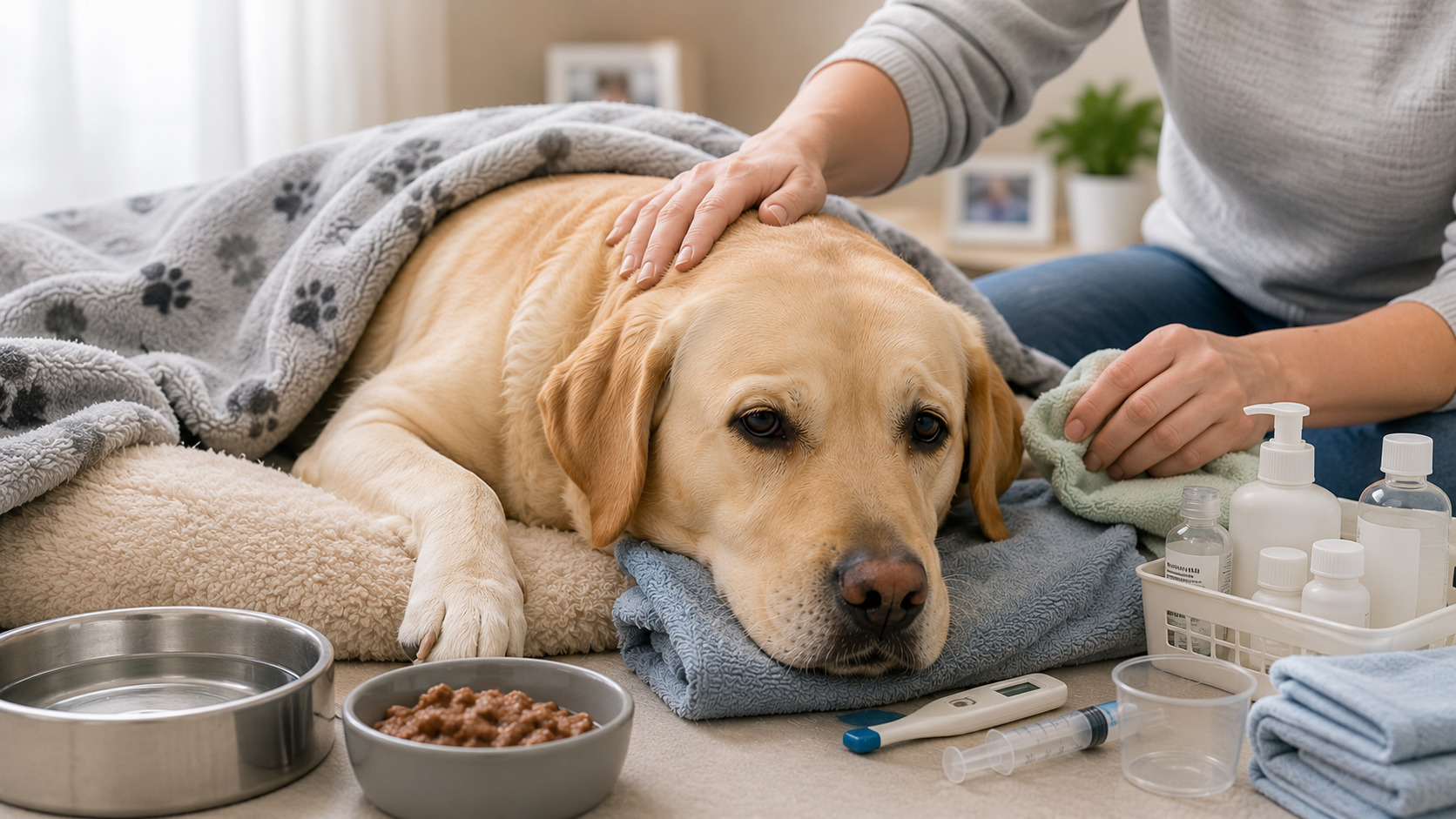
An infected dog must be kept separately from other dogs, ferrets, and susceptible animals. Ideally, it should be placed in a separate room with surfaces that are easy to clean. Bowls, bedding, equipment, and grooming supplies should be used only for the affected dog. Hands should be washed after contact, contaminated clothing should be changed, and the person caring for the sick dog should not immediately handle healthy animals.
The duration of isolation should not be determined only by the disappearance of coughing, discharge, or diarrhoea. Dogs may continue to shed the virus after clinical improvement and, in some cases, for several months. Returning to public walking areas or contact with other dogs is only appropriate after receiving permission from a veterinarian.
The room should be warm, dry, quiet, and well ventilated without draughts. Loud sounds, bright light, and active play may worsen the dog's condition, especially when neurological symptoms are present. The animal should have a comfortable, soft place to rest. The position of dogs that cannot move independently may need to be changed regularly and carefully according to veterinary instructions.
The drinking regimen depends on the dog's ability to swallow, the frequency of vomiting, and the degree of dehydration. Allowing the dog to consume a large amount of water immediately after vomiting may trigger another episode. The veterinarian determines whether the animal can drink safely, what amounts are appropriate, and whether fluid therapy is required.
Food should be selected according to the condition of the digestive tract and the prescribed treatment. An easily digestible complete diet given in small portions is often used, but the specific feeding plan must be individualised. Sudden food changes, fatty human foods, milk, bones, and improvised homemade diets may worsen vomiting or diarrhoea.
Discharge from the eyes and nose should be removed gently in the manner demonstrated by the veterinarian. Separate clean materials should be used for each eye. Antibiotic, hormonal, or vasoconstrictive drops should not be used without an examination. Corneal damage and other eye complications may require specialised treatment.
It is useful to keep a daily record of the dog's condition. The owner can note appetite, water consumption, episodes of vomiting, the frequency and appearance of stools, breathing, temperature when advised by the veterinarian, muscle twitching or seizures, and the time each medication was administered. This information helps the veterinarian assess the progression of the disease and adjust treatment promptly.
Possible Complications After Canine Distemper
The consequences depend on which organs were affected and how severe the disease was. After pneumonia, a dog may continue to cough, tire quickly, and return to its normal level of activity gradually. Following prolonged vomiting, diarrhoea, and food refusal, body weight and muscle strength must be restored slowly.
Neurological complications are the most serious. Myoclonus, tremors, recurring seizures, limb weakness, impaired coordination, head tilt, or balance problems may remain after the systemic illness has resolved. Some animals require long-term anticonvulsant treatment and regular neurological examinations.
Neurological signs may develop weeks or months after the respiratory and digestive symptoms have disappeared. Chronic encephalitis is reported less frequently and may cause behavioural changes, aimless walking, impaired coordination, and other progressive abnormalities. For this reason, owners should inform their veterinarian about any new movement or behavioural changes after apparent recovery.
Hyperkeratosis of the nose and paw pads may cause dryness, cracking, discomfort during walking, and a risk of secondary inflammation. Care for these areas should be agreed with a veterinarian because aggressive trimming or the use of unsuitable cosmetic products may damage the skin.
Puppies may develop defects in the enamel of their permanent teeth. Damaged enamel provides less protection, promotes plaque accumulation, and increases the risk of dental problems. After the permanent teeth erupt, these dogs may require a separate veterinary dental care plan.
Even when no visible complications remain, the return to physical activity should be gradual. The body needs time to recover after a severe systemic infection, and excessive activity immediately after the illness may worsen weakness and shortness of breath.
How to Protect a Dog From Distemper
Canine distemper vaccination is the most effective preventive measure. The CDV vaccine is classified as a core vaccine recommended for dogs in all regions of the world. It is usually included in a combination vaccine together with components against parvovirus and adenovirus.
According to WSAVA recommendations, the initial CDV vaccination series for puppies generally begins at 6-8 weeks of age and is repeated every 2-4 weeks until the puppy is at least 16 weeks old. In high-risk situations, the series may be continued until 20 weeks of age. One of the most important doses is the vaccination administered at 16 weeks of age or later, when the influence of maternal antibodies has substantially decreased in most puppies.
A booster vaccination is required after the initial series. The exact timing depends on the vaccine used, the manufacturer's instructions, the dog's age and health, and local veterinary recommendations. Current international guidelines allow core vaccines to be administered no more frequently than necessary to maintain protection. An individual vaccination schedule should be created by a veterinarian.
If the dog's vaccination history is unknown or the schedule has been interrupted, the owner should not independently decide how many doses are needed. The veterinarian will assess the dog's age, available documentation, health status, exposure risk, and the characteristics of the specific vaccine. In some situations, antibody testing may provide additional information.
Until the puppy has completed its initial vaccination series, it should not be taken without supervision to locations with a high concentration of dogs or uncertain sanitary conditions. At the same time, complete social isolation is also undesirable for behavioural development. A safe socialisation plan should be discussed with a veterinarian. It may include controlled interaction with healthy vaccinated dogs and visits to clean, low-risk environments.
A new dog with an unknown health and vaccination status should be examined by a veterinarian before meeting other household animals. In kennels, shelters, and homes with several dogs, essential preventive measures include quarantining newly arrived animals, using separate care items, maintaining good ventilation, cleaning regularly, and quickly isolating any dog with suspicious symptoms.
Vaccination should be administered by a veterinary professional after the dog has been examined. A vaccine is not a home treatment for a dog that is already ill. If the animal has fever, vomiting, diarrhoea, discharge, coughing, or pronounced discomfort before vaccination, the veterinarian should first determine the cause of these symptoms.
When Is Emergency Veterinary Care Required?
The need for urgent examination is determined not only by suspected distemper but also by the risk of dehydration, respiratory failure, nervous system involvement, and rapid deterioration. Contact a veterinary clinic immediately if the dog develops any of the following:
- difficult, noisy, or excessively rapid breathing, open-mouth breathing at rest, or bluish mucous membranes;
- repeated vomiting that prevents the dog from keeping water down;
- frequent diarrhoea, blood in vomit or stools, or pronounced abdominal pain;
- complete refusal to drink, dry mucous membranes, sunken eyes, severe weakness, or other signs of dehydration;
- seizures, loss of consciousness, sudden collapse, disorientation, or unusual repetitive movements;
- involuntary rhythmic muscle twitching, an unsteady gait, head tilt, walking in circles, weakness, or paralysis of the limbs;
- a high temperature combined with coughing, discharge from the eyes or nose, vomiting, or diarrhoea;
- sudden deterioration in an unvaccinated puppy or a dog with an unknown vaccination history;
- new neurological symptoms appearing several days or weeks after apparent recovery.
The clinic should be informed about the suspected infectious disease before arrival. Do not take the dog into a shared waiting area without permission from the clinic staff. The veterinary team may ask the owner to remain in the vehicle or use a separate entrance.
Conclusion
Distemper in dogs is a systemic viral infection that can affect the respiratory, digestive, nervous, cutaneous, and other body systems. Its early manifestations are often nonspecific, and neurological problems may develop after a temporary improvement. For this reason, waiting for a "typical" clinical picture can be dangerous.
The diagnosis must be made by a veterinarian based on the dog's medical history, clinical examination, and laboratory testing. There is no universal specific treatment that can reliably eliminate the virus. Therapy focuses on maintaining hydration, nutrition, and respiratory function, controlling symptoms, and treating secondary complications.
Timely vaccination remains the primary method of protection. Check your pet's veterinary records and ask a veterinarian whether the vaccination schedule is appropriate for the dog's age, health, and living conditions. If suspicious symptoms appear, do not attempt to treat the dog independently and prevent contact with other animals.