
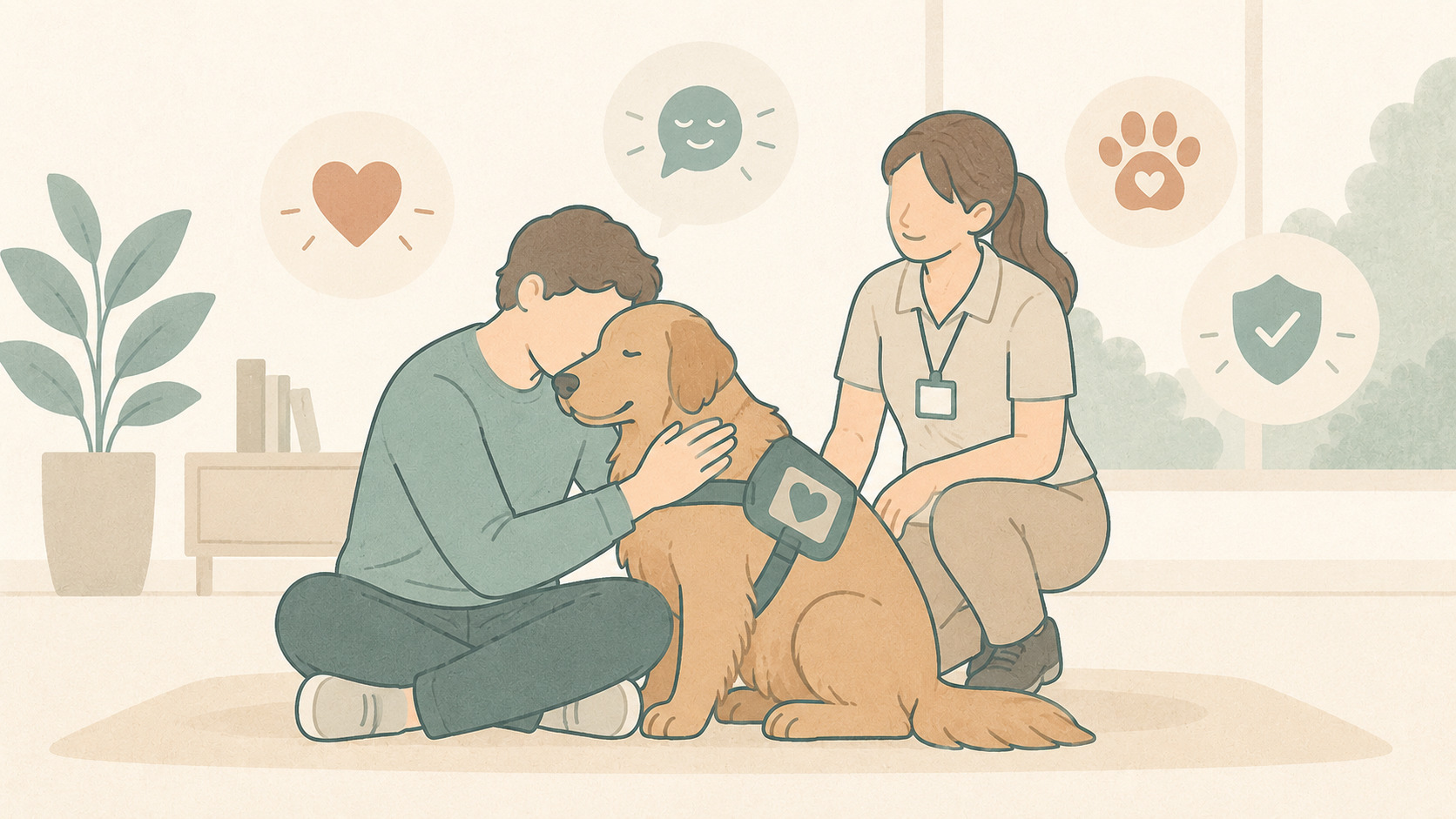
Interaction with animals has long been used in various forms of psychological, social, and rehabilitation support. Dogs occupy a special place in this field because of their ability to actively interact with people, respond to human behaviour, perform shared tasks, and create predictable social contact. These characteristics form the basis of canine-assisted therapy - one of the professional approaches involving animals.
However, ordinary interaction with a pet and therapy involving dogs are not the same thing. A professional programme has specific goals, a defined structure, and safety rules, while interaction with the dog takes place under the supervision of a specialist. Depending on the person's needs, sessions may focus on emotional support, reducing tension, developing communication, increasing motivation to participate in therapy, or gradually restoring social activity.
Current research considers dog-assisted interventions a promising complementary tool for different groups of people, but the results remain heterogeneous. Therefore, canine-assisted therapy should not be presented as a universal treatment for psychological problems. Its potential benefits depend on the goals of the programme, the person's condition, the dog's preparation, the specialist's qualifications, and its combination with other necessary forms of support.
What Is Canine-Assisted Therapy?
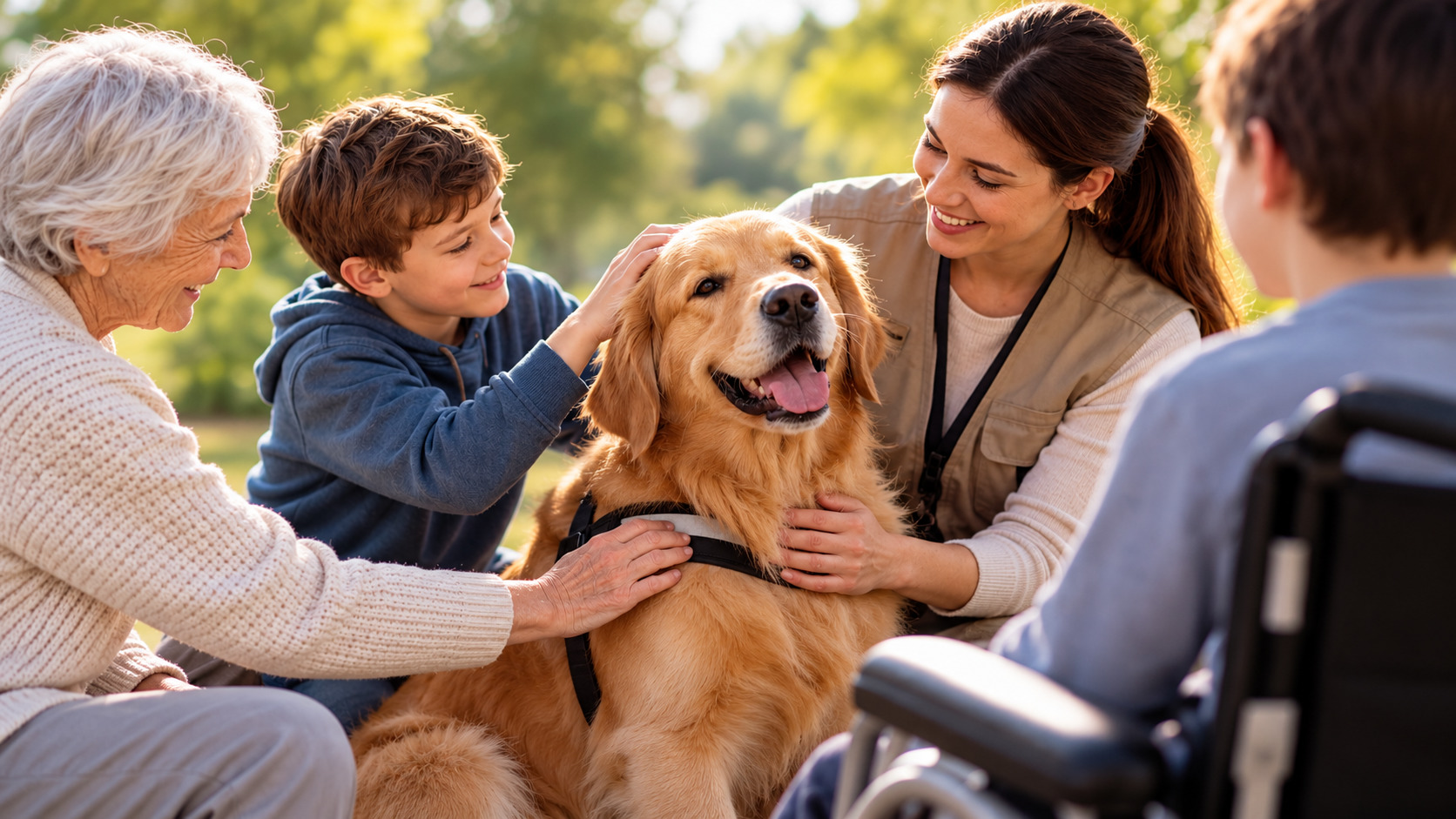
In simple terms, canine-assisted therapy is a purposeful interaction between a person and a specially trained dog within a therapeutic, psychological, rehabilitation, or other professional programme. The dog does not participate in the session by chance: its presence and specific forms of interaction are used to achieve predetermined goals.
This is why the answer to the question of what canine-assisted therapy is cannot be reduced to "spending time with a dog to feel better." A person may respond very positively to their own pet, but this does not make everyday interaction a form of therapy. Professional intervention involves assessing needs, setting goals, designing the format of sessions, and monitoring outcomes.
The International Association of Human-Animal Interaction Organizations, IAHAIO, uses the broader concept of animal-assisted services and emphasises that professionally oriented programmes should be structured, goal-directed, and delivered by people with appropriate training. Particular attention is paid not only to the participant's well-being but also to the animal's physical and psychological welfare. Detailed principles are described in the IAHAIO White Paper.
The term "dog therapy" is sometimes used as a general name for all activities involving dogs, but from a professional perspective it is important to understand the difference between therapy, animal-assisted activities, and other formats. For example, a dog's visit to an institution to create positive emotions may have a supportive effect but is not necessarily therapy. In a therapeutic format, specific tasks must be defined, and work with the dog is integrated into the overall support plan.
A therapy dog should also not be confused with an assistance or service dog. An assistance dog is trained to continuously help a specific person perform particular tasks in everyday life. In canine-assisted therapy, the dog works together with a specialist during specific sessions and may interact with different participants.
How Do Dogs Help in Psychological Rehabilitation?
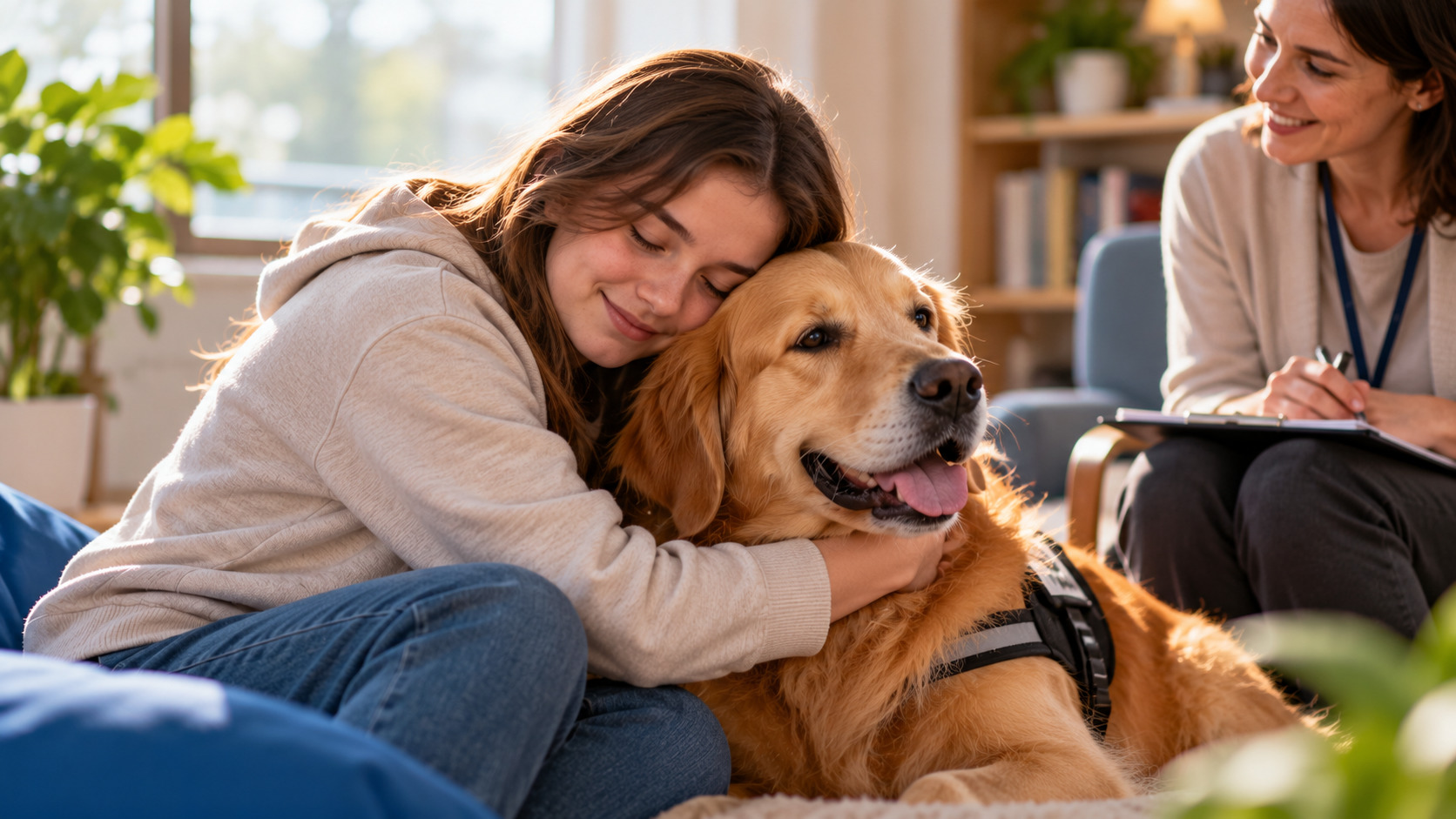
In psychological rehabilitation, a dog can act as a kind of intermediary in the interaction between the person, the specialist, and the environment. For someone who finds it difficult to immediately engage in direct emotional contact with a therapist or a group, a shared task involving a dog may provide a simpler and less formal starting point for interaction.
For example, instead of immediately discussing their own condition, a person may first observe the dog, give it simple commands, offer it a toy, stroke it, or complete a task together with it. This creates a clear structure for the activity and helps shift attention from constantly analysing one's own experiences to a specific action.
The presence of a dog may also increase motivation to participate in sessions. This can be particularly relevant for children, people who find it difficult to maintain prolonged therapeutic interaction, or those who experience tension in unfamiliar environments. However, the dog alone does not produce a therapeutic result. Its participation should be connected to a specific goal defined by the specialist.
A systematic review of dog-assisted interventions for children and adults with mental health and neurodevelopmental conditions included 29 randomised studies. The authors reported promising results relating to social skills, behaviour, and certain psychological outcomes, but also emphasised substantial differences between programmes and insufficient quality in the description of many studies. In other words, positive results exist, but they cannot automatically be applied to every canine-assisted therapy programme or every person. The review can be found in the British Journal of Psychiatry via PubMed.
Effects of Canine-Assisted Therapy on Stress and Anxiety
Calm interaction with a dog may help shift attention away from anxious thoughts and towards the present situation. The person focuses on the animal's behaviour, touch, performing an exercise, or the dog's response. For some participants, this structured activity may create a sense of predictability and help temporarily reduce emotional tension.
Physical contact may also form part of a session if it is comfortable for both the person and the dog. Stroking the dog, sitting calmly nearby, or performing a slow shared task may be used as elements of the programme. At the same time, physical contact should not be mandatory: if a person does not want to touch the dog, therapeutic interaction can be organised differently.
Studies of short dog-assisted interventions suggest that they may influence certain psychological and physiological indicators of stress, although the findings are not consistent across all studies. A systematic review of 26 studies published in Anxiety, Stress & Coping concluded that the available evidence only partially supports an effect of short-term sessions with dogs on the autonomic stress response and that more standardised research is needed for more precise conclusions. The review is available on PubMed.
Similar caution is needed when discussing anxiety. Current systematic reviews of animal-assisted therapy describe a potential short-term reduction in anxiety in certain clinical groups, but long-term outcomes and the optimal format of sessions remain insufficiently defined. Therefore, canine-assisted therapy may complement psychological support but should not be presented as a way to guarantee relief from an anxiety disorder.
Developing Trust and Social Skills
Psychological rehabilitation often involves not only working with symptoms but also gradually helping a person return to safe interaction with others. After prolonged stress, traumatic experiences, isolation, or in some mental health and neurodevelopmental conditions, social contact itself can be difficult.
A dog provides a relatively simple model of interaction. Its behaviour includes specific signals, and its response to a person's actions is often immediately visible. If a person calmly gives a command, offers an object, or changes their own behaviour, they can observe the animal's reaction. Such situations allow the person to practise attention to non-verbal signals, sequence of actions, and regulation of their own behaviour.
When working with a specialist, interaction with the dog can also create opportunities for communication: the person may need to ask about a task, agree on the sequence of actions, describe the animal's response, or complete an exercise together with another person. In this way, the dog may make it easier to enter a social situation, but the development of a particular skill results from the structure of the programme rather than simply from the animal's presence.
For some people, gradually developing a sense of competence may also be important. When a person learns to communicate clearly with a dog and observes a predictable response, this may support confidence in their own actions. However, it would be too categorical to conclude that canine-assisted therapy on its own "raises self-esteem" or "restores trust in people." The outcome depends on the participant's needs and therapeutic goals.
Canine-assisted therapy is only one of the forms of rehabilitation work involving animals. Another approach is hippotherapy - interaction with horses in physical and psychological rehabilitation. These approaches share the idea of purposeful human-animal interaction, but their mechanisms, goals, and professional requirements differ.
Who May Benefit from Canine-Assisted Therapy?
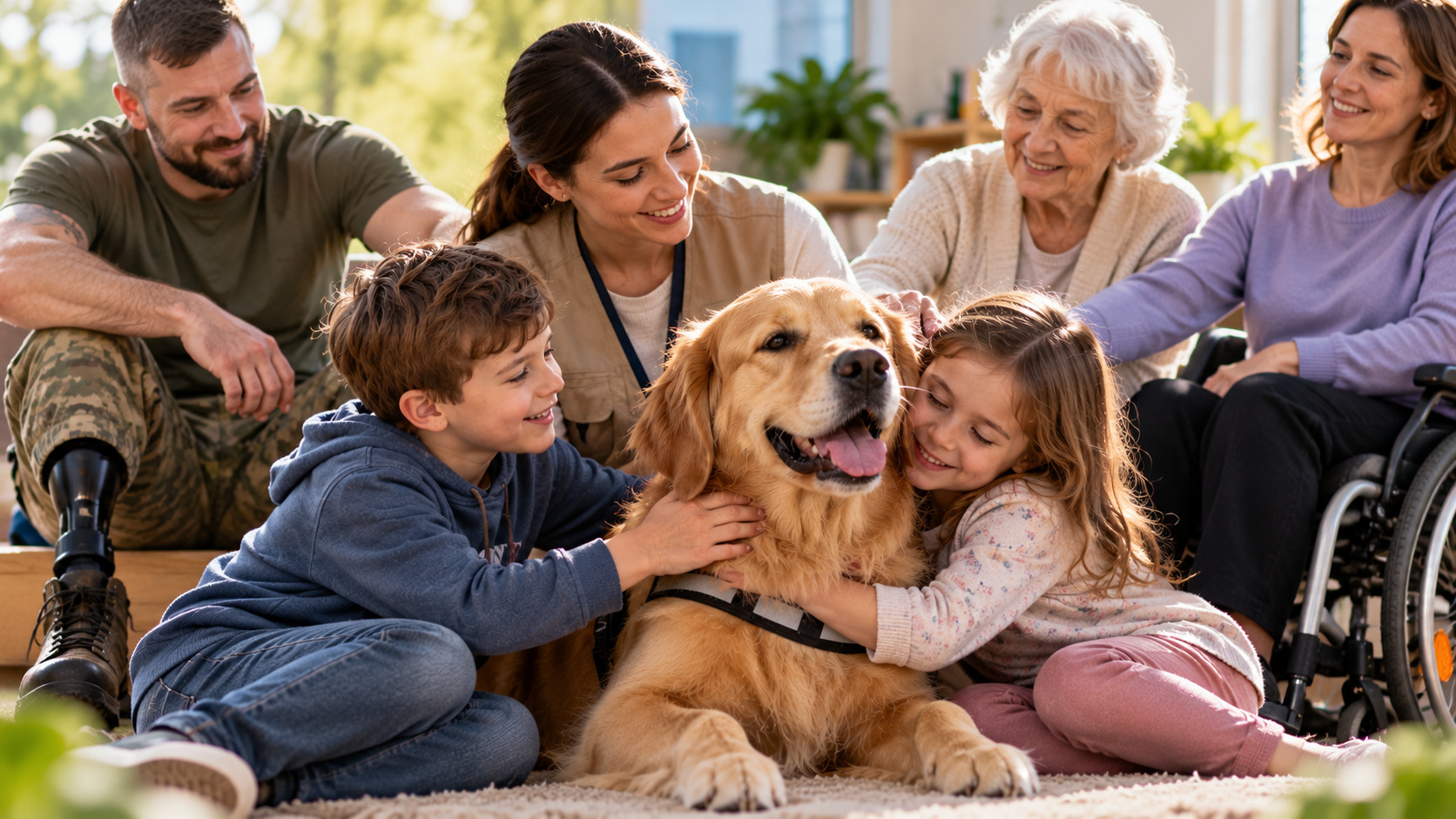
Therapy involving dogs is used in a variety of settings - psychological practice, rehabilitation, education, medical facilities, and social care institutions. However, simply belonging to a particular group does not mean that canine-assisted therapy is automatically appropriate. Suitability is determined by the person's specific needs, goals, and attitude towards dogs.
Professional programmes involving dogs may be considered as an additional form of support for the following groups:
- children who need support in developing communication, emotional regulation, motivation to participate in activities, or social interaction;
- adults undergoing psychological or psychosocial rehabilitation who may benefit from structured activities involving an animal;
- people who have experienced traumatic events, if work with the dog is integrated into a professional programme and does not replace primary psychological support;
- people with elevated levels of stress or anxiety for whom contact with a dog is voluntary and psychologically comfortable;
- older adults, including those living in long-term care facilities, when sessions are aimed at activity, interaction, and emotional engagement;
- people with certain neurodevelopmental or mental health conditions, if a specialist has identified specific goals for which the dog's participation may be appropriate.
This list does not constitute a medical indication for canine-assisted therapy. Even within the same group, people's reactions to dogs may differ considerably. For some, the animal's presence may help them feel calmer, while for others it may create additional tension.
Programmes involving dogs in care facilities and for people with dementia are studied separately in older populations. A meta-analysis of randomised studies published in 2026 described potential improvements in certain behavioural and psychological manifestations of dementia, but the authors emphasised that the evidence base remains relatively weak because of small sample sizes and the risk of bias. Therefore, such programmes should be considered an additional non-pharmacological component of care rather than a treatment for dementia.
Dog-assisted therapy is also being studied in people who have experienced traumatic events. For example, a systematic review of programmes for children with complex trauma describes the possibility of using a dog's participation to complement standard psychological support, but the authors also note insufficient standardisation of programmes and the limited number of high-quality studies. The review was published in the journal Children.
What Happens During a Canine-Assisted Therapy Session?
There is no single universal format for a session. The structure depends on the person's age, psychological condition, goals, environment, and the method used by the specialist.
Before the work begins, the specialist should determine exactly why the dog is being included in the programme. For example, the goal may be gradual engagement in interaction, participation in a shared structured activity, communication practice, work with emotional tension, or motivation to take part in rehabilitation.
At the beginning of the first session, the person is introduced to the dog without being forced into direct contact. At first, they may simply observe the animal, talk about its behaviour, or remain nearby at a comfortable distance. If the participant is ready, the interaction can gradually expand.
During the main part of the session, simple tasks may be used: giving the dog a command, offering it a toy, walking a short distance together, brushing its coat, completing a sequencing task, or interacting with the dog together with the therapist. A particular exercise should correspond to the goal of the session rather than being used simply because it is enjoyable.
The specialist observes not only the person's reactions but also the dog's condition. If the animal shows fatigue, discomfort, or a desire to end the interaction, this must also be taken into account. Respecting the animal's boundaries is part of professional and ethical canine-assisted therapy.
At the end of the session, the interaction is concluded in a predictable way, after which the specialist may discuss the person's feelings with them or evaluate the completion of therapeutic tasks. The duration and frequency of sessions are determined individually. Longer contact with a dog does not automatically mean a better result.
What Dogs Can Participate in Canine-Assisted Therapy?
For professional therapy, a dog's breed, size, or appearance are less important than its behaviour, temperament, health, and ability to work comfortably in a particular environment. A large friendly dog is not necessarily a better therapeutic partner than a small dog, and vice versa.
The dog should demonstrate predictable behaviour, be well socialised, respond calmly to unfamiliar people, and be able to adapt to different types of interaction. It is important that the animal can tolerate unusual movements, voices, equipment, or situations that may arise in a hospital, rehabilitation centre, or during work with children.
At the same time, a dog's "patience" should not mean that it is forced to tolerate unpleasant contact. IAHAIO emphasises the One Welfare principle: benefits for people must not be achieved at the expense of the animal's physical or psychological well-being. The dog should have the opportunity to rest, avoid unwanted interaction, and stop participating if it experiences stress.
Professional preparation therefore involves more than simply teaching commands. The specialist or handler should be able to read the dog's signals well, notice early signs of tension, and control the duration and intensity of work.
Research focusing on dogs participating in animal-assisted therapy also highlights the problem of insufficient standardisation of criteria for animal selection, training, and health monitoring in research programmes. This is another reason to choose a centre that can clearly explain how its dogs are selected and prepared and how their welfare is monitored.
Does Canine-Assisted Therapy Have Contraindications and Limitations?
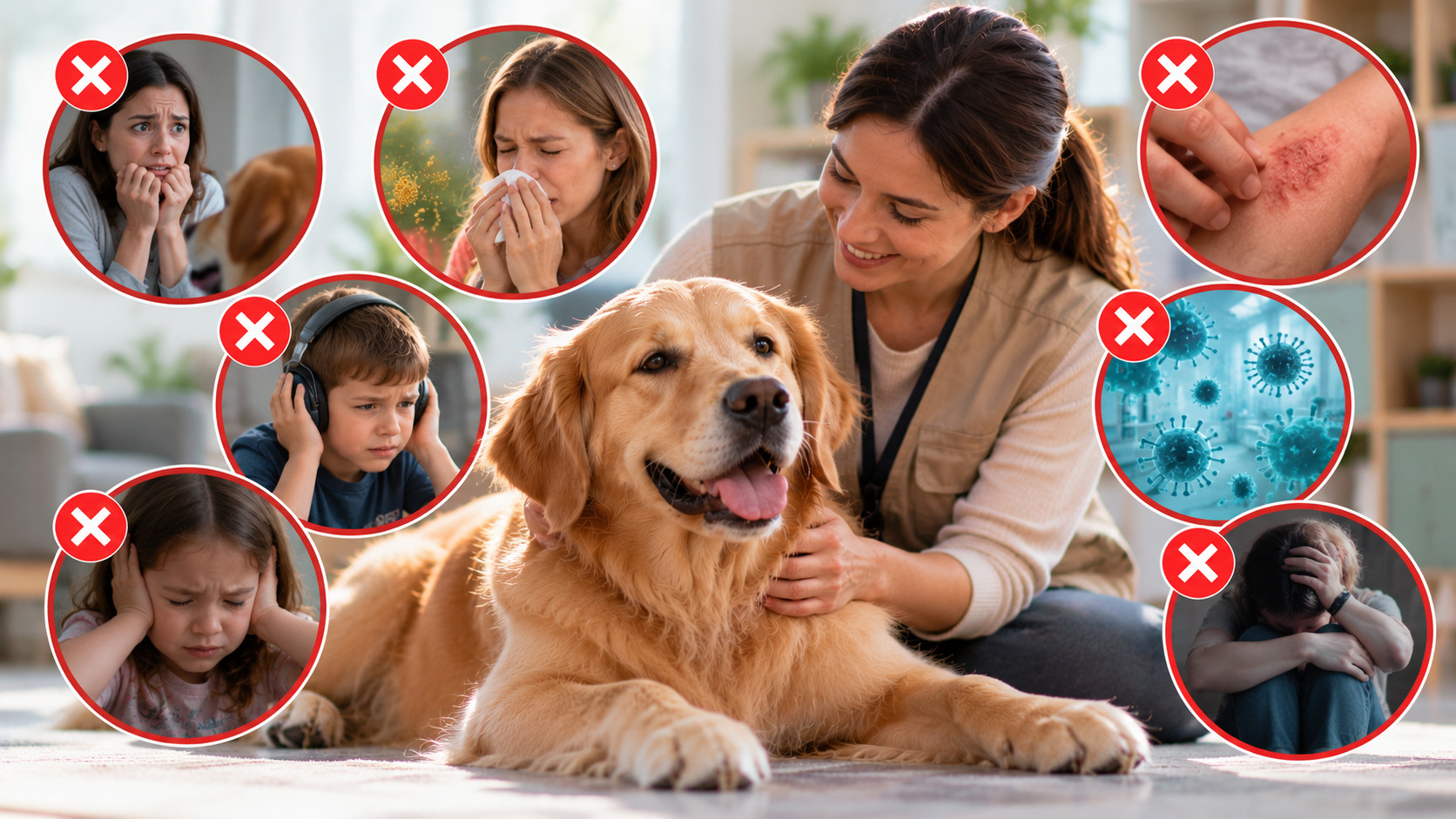
Canine-assisted therapy is not suitable for everyone, and voluntary participation is a fundamental requirement. If a person is afraid of dogs, does not want to interact with them, or finds the animal's presence itself highly stressful, forcing them into this format would contradict the purpose of psychological support.
One obvious limitation is dog allergy. Its severity can vary, so the decision depends on the individual situation. In medical and rehabilitation facilities, infection-control requirements, participants' health conditions, and the ability to organise contact safely must also be taken into account.
People with heightened sensitivity to sounds, smells, or touch require separate assessment. A dog may bark, move in a way the participant finds unpredictable, or initiate close contact. For one person this may be an enjoyable part of the session, while for another it may cause sensory overload.
Likewise, not every person with a traumatic history responds positively to dogs. If someone has previously been attacked by an animal or had another negative experience, interaction may intensify fear. In such a situation, the person should not be told that they "need to get used to it" unless work with fear has been specifically identified as a professional therapeutic goal.
Hygiene is also part of a safe programme. The dog should receive appropriate veterinary care, while the centre should have rules regarding cleanliness, interaction with participants, and work in medical environments. Similarly, the specialist should supervise the format of interaction in order to protect both the person and the animal.
How Effective Is Canine-Assisted Therapy?
The scientific evidence base for canine-assisted therapy is gradually expanding, but it would be incorrect to claim the same level of effectiveness for all psychological conditions. Studies differ substantially in participant characteristics, session duration, the dog's role, specialists' qualifications, and the outcomes used to evaluate results.
One of the largest recent systematic reviews of dog-assisted interventions for children and adults with mental health and neurodevelopmental conditions analysed 29 randomised studies. Positive outcomes were more frequently reported for social skills and behaviour, while findings for other psychological outcomes were less consistent. Only some of the studies were rated as high quality, and the ways in which the interventions themselves were described varied considerably.
Some findings are promising in relation to stress and anxiety. For example, a meta-analysis of randomised studies among university students found a moderate reduction in stress and anxiety following professionally organised sessions involving dogs. At the same time, these data concern a specific group and do not mean that the same effect can be expected in people with different psychological or clinical conditions.
A broader systematic review of animal-assisted therapy for anxiety also describes positive short-term outcomes in different clinical groups but emphasises considerable methodological heterogeneity and a lack of long-term follow-up. The most cautious interpretation of current evidence is therefore that canine-assisted therapy may be a useful complementary tool for certain people and specific therapeutic goals, but its results cannot be guaranteed.
It is particularly important not to present dog-assisted therapy as an alternative to psychotherapy, medication, or other methods with established effectiveness. If a person has an anxiety disorder, depression, PTSD, or another mental health condition, treatment decisions should be made by an appropriate specialist. Canine-assisted therapy may be integrated into the overall support plan when it serves a specific purpose and matches the person's needs.
How to Prepare for Your First Canine-Assisted Therapy Session
Preparation helps determine whether the chosen format is genuinely a professional programme and whether it corresponds to the needs of a particular person. Before a session, it is worth asking not only which dog will participate but also about the programme's goals, rules, and the qualifications of the specialists.
Before the first session, it is advisable to take the following steps:
- Find out who conducts the sessions, what professional training the specialist has, and within which therapeutic or rehabilitation programme the dog is used.
- Ask how the dog was selected and prepared to work with people and how its health, behaviour, and stress levels are monitored during sessions.
- Inform the team in advance about allergies, fear of dogs, previous negative experiences, increased sensory sensitivity, or other factors that may affect the interaction.
- Discuss the specific goal of the sessions and ask what role the dog will play in working towards that goal.
- Clarify the format of the first meeting and agree that contact with the animal will be gradual and voluntary.
- During the session, tell the specialist about discomfort, fear, fatigue, or a desire to increase the distance from the dog.
A person should not force themselves to stroke the dog, take its lead, or perform other actions simply because they are included in a standard scenario. A professional programme should adapt to the participant's needs, not the other way around.
It is also useful to agree in advance on how outcomes will be evaluated. If the sessions have a therapeutic goal, it is important to understand what changes are expected and which indicators the specialist will use to decide whether the chosen format should be continued.
Conclusion
Canine-assisted therapy is a professionally organised interaction between a person and a specially trained dog that can be used as an additional tool for psychological, social, or rehabilitation support. It should not be equated with ordinary interaction with a pet: a therapeutic programme has specific goals, a defined structure, and professional supervision.
Potential benefits may include supporting emotional comfort, engaging the person in structured activity, facilitating communication, and creating opportunities to practise social interaction. Some studies also describe promising findings relating to stress and anxiety, but the scientific evidence remains heterogeneous, and the effect depends on the specific group of people and the programme format.
The welfare of the dog itself is equally important. Professional canine-assisted therapy involves appropriate selection and preparation of the animal, monitoring its health, providing opportunities to rest, and allowing it to avoid unwanted interaction. Therapeutic benefits for a person should not create stress or discomfort for the dog.
Canine-assisted therapy does not replace psychotherapy, medical treatment, or other necessary forms of support. It is best viewed as an additional component of an individual programme when the person has a positive attitude towards contact with dogs, participation is voluntary, and sessions are conducted by a qualified specialist.
If you are considering canine-assisted therapy for yourself or someone close to you, it is worth starting by identifying specific goals and consulting a specialist who can help assess whether this format is appropriate and select a safe, professionally organised programme.