
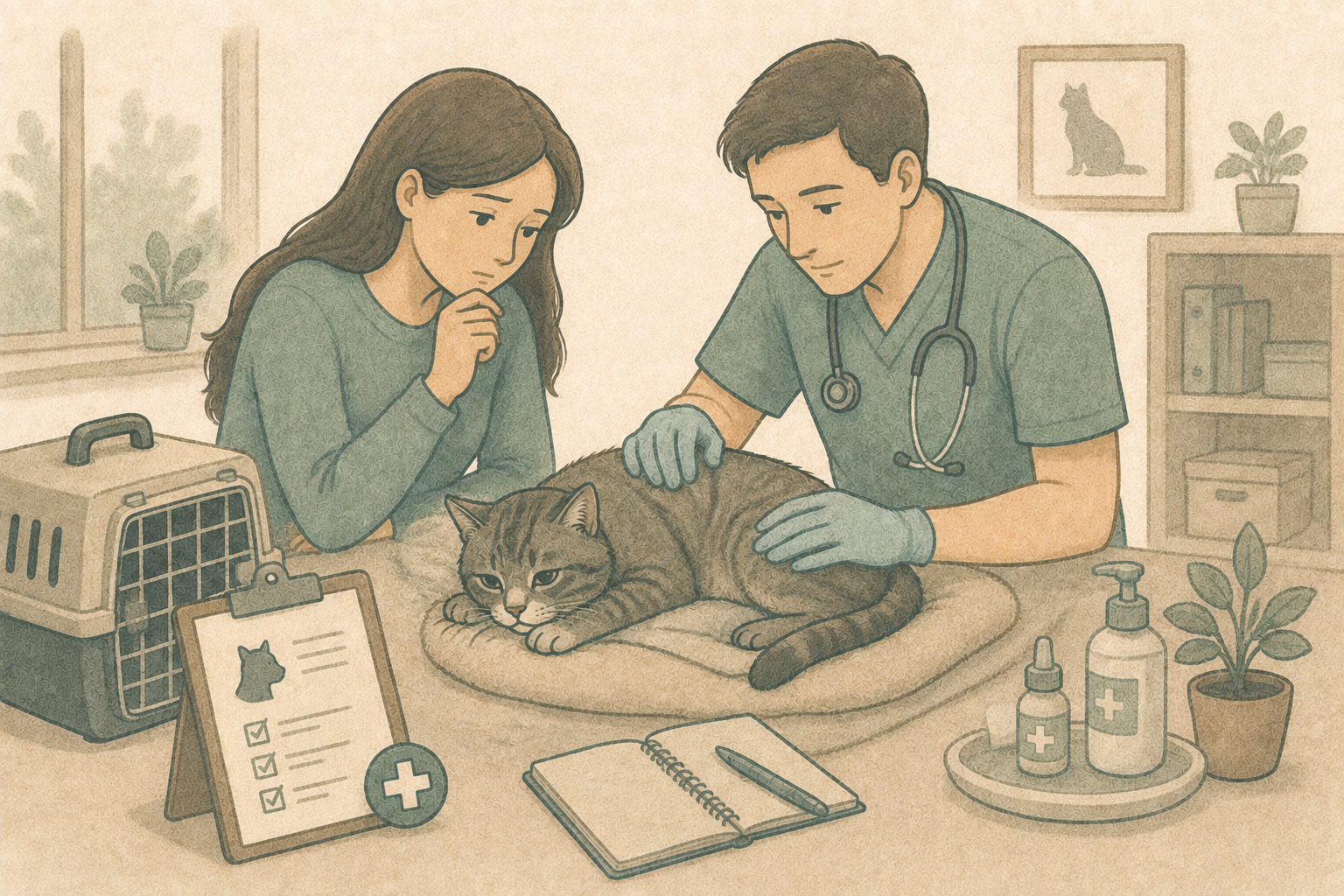
FIP in cats is a serious systemic disease associated with feline coronavirus FCoV. It can affect different organs and body systems, so the clinical picture can vary significantly between animals. In one cat, the main signs may be fever, weight loss, and fluid accumulation in the abdominal cavity, while another may predominantly develop eye or neurological problems.
Just a few years ago, a diagnosis of FIP was associated with an extremely poor prognosis. The situation has changed with the emergence of effective antiviral therapy. Current veterinary guidelines now consider feline infectious peritonitis a disease that can be successfully treated in many cases if a well-founded diagnosis is made promptly and appropriate therapy is started. Current recommendations from the European Advisory Board on Cat Diseases indicate that treatment outcomes with modern antiviral medications are often very good.
At the same time, FIP remains difficult to diagnose. There is no simple home test that can confirm the disease based on a single positive result. Veterinarians need to assess the combination of symptoms, laboratory findings, diagnostic imaging, and, when necessary, examination of fluid or tissue samples. Therefore, if FIP is suspected, it is important not to waste time on self-treatment and to consult a veterinarian.
What Is FIP in Cats?
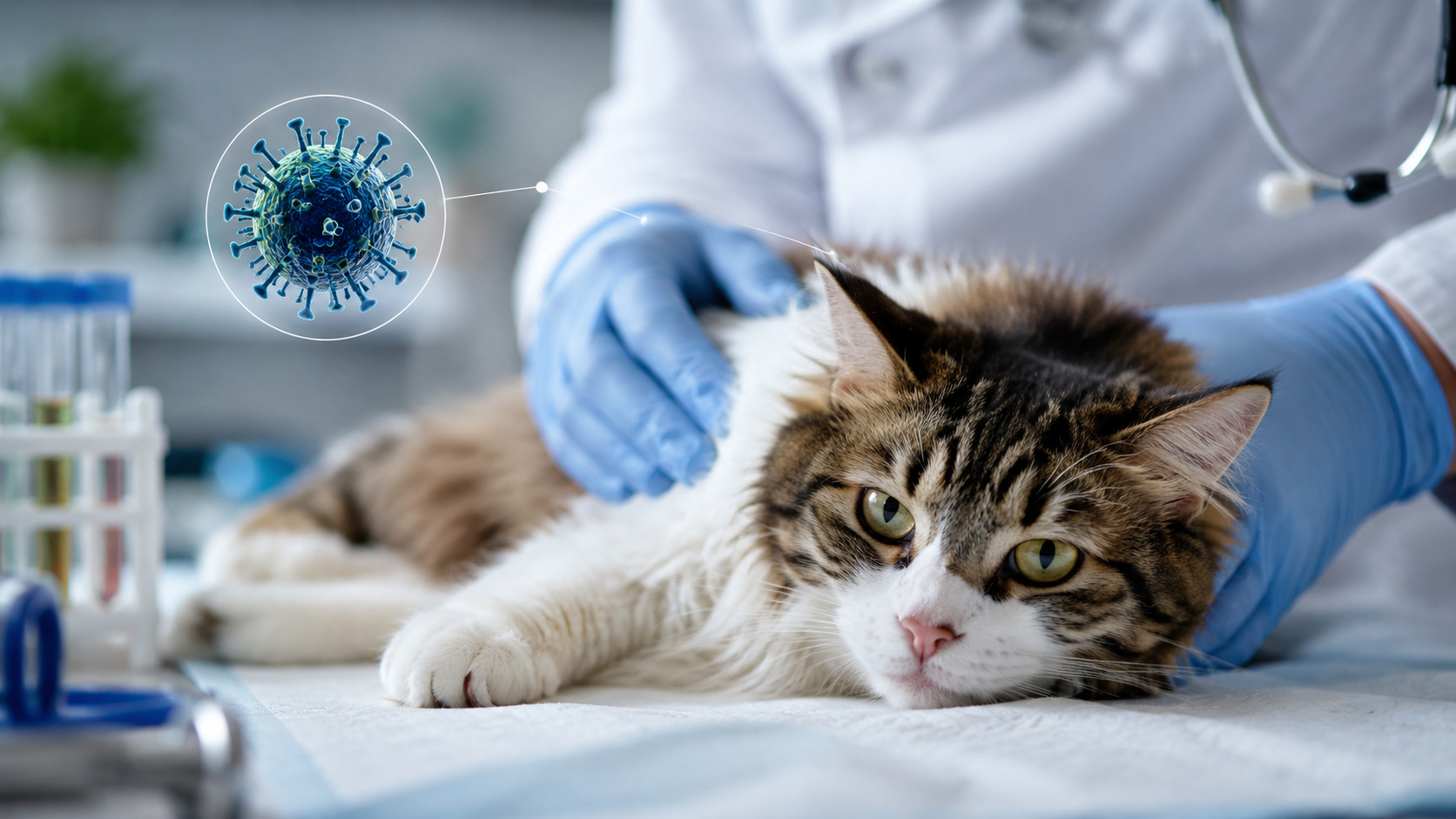
FIP, or feline infectious peritonitis, is a systemic disease associated with feline coronavirus FCoV. This virus is very common among cats, particularly in environments where many animals are kept together.
Most FCoV infections do not lead to the development of FIP. The coronavirus primarily replicates in the intestines. Many infected cats show no clinical signs at all, while some may develop short-term diarrhoea or other mild gastrointestinal symptoms. After infection, some animals stop shedding the virus, while others may continue to shed it in their faeces for a certain period or for a prolonged time.
FIP develops only in a proportion of infected animals. Current understanding of the disease links this process to changes in the virus within the individual cat's body and the characteristics of its immune response. As a result of these changes, the virus becomes better able to infect certain immune cells and spread throughout the body. A pronounced inflammatory reaction develops around blood vessels and may affect different organs.
This is why the term "feline infectious peritonitis" somewhat simplifies the nature of the disease. FIP is not limited to the peritoneum. The pathological process can develop in the abdominal and chest cavities, lymph nodes, liver, kidneys, eyes, brain, spinal cord, and other tissues.
Therefore, ordinary peritonitis in cats and FIP are not the same condition. Peritonitis, as inflammation of the peritoneum, can occur for different reasons, for example because of a bacterial infection or damage to organs within the abdominal cavity. FIP is a specific systemic disease associated with FCoV and a characteristic immune-mediated inflammatory response.
How Is FIP Different from Feline Coronavirus?
Distinguishing between FCoV and FIP is one of the most important things for an owner to understand. FCoV is the feline coronavirus itself, while FIP is the disease that may develop in some cats after infection with this virus.
A cat can be FCoV-positive and remain clinically healthy. Detecting the virus in faeces means that the animal is infected with or shedding FCoV, but it does not prove the presence of feline infectious peritonitis. Current ABCD guidelines clearly state that detecting FCoV in faeces should not be used to diagnose FIP because positive results are frequently found in completely healthy cats.
Likewise, a positive blood test for antibodies against feline coronavirus is not a "test for FIP." It only shows that the animal's immune system has been exposed to FCoV. A high antibody level alone does not confirm the disease either. According to ABCD, there is considerable overlap between antibody levels in cats with FIP and those without FIP, so serological testing cannot establish the diagnosis on its own.
Even PCR results need to be interpreted according to the type of sample tested and the clinical context. For example, faecal PCR is used to assess FCoV shedding but not to confirm FIP. If a cat has characteristic fluid accumulation in the abdominal or chest cavity, examination of that fluid together with cytology and biochemical testing may have significantly greater diagnostic value.
For this reason, a veterinarian usually builds the diagnostic picture from several components. The veterinarian considers the animal's age and medical history, temperature, weight loss, changes in complete blood count and blood chemistry, ultrasound findings or other imaging results, the presence of effusion, changes in internal organs, and the results of specialised tests.
Confirmation of FIP in certain cases requires tissue examination with detection of FCoV antigen, but obtaining a biopsy from a severely ill animal is not always safe or appropriate. Therefore, modern veterinary practice often relies on a combination of less invasive methods that can make the diagnosis highly probable and allow treatment to begin promptly.
A positive feline coronavirus test is therefore not a reason to conclude independently that a cat has FIP. Likewise, a negative result from an individual test cannot always completely rule out the disease. Results must be interpreted by a veterinarian in the context of the individual cat's condition.
Is FIP Contagious to Other Cats and People?
Here again, it is important to distinguish FCoV from FIP itself. Feline coronavirus circulates easily between cats, especially in multi-cat households, shelters, and breeding facilities. The main route is considered faecal-oral transmission: an infected cat sheds FCoV in its faeces, after which the virus may contaminate litter, surfaces, fur, or paws and eventually enter another animal's mouth.
FIP itself, in most cases, does not spread between animals in the same way as an ordinary infectious disease. The FCoV changes associated with typical FIP are believed to occur primarily within the body of an individual cat. Horizontal transmission of the FIP-associated viral variant from a sick cat to another cat is considered very unlikely. Current ABCD guidelines do, however, describe rare exceptions associated with particular epizootic FCoV variants, so stating that "FIP is never transmitted" would be too categorical.
For an owner with several cats, this means that ordinary FCoV may be circulating in the household even if only one animal develops FIP. Other cats may have been exposed to the same feline coronavirus, but this does not mean that they will necessarily develop feline infectious peritonitis.
FCoV should also not be confused with SARS-CoV-2, which causes COVID-19. These are different coronaviruses with different biological properties. According to the Cornell Feline Health Center, the feline coronavirus associated with FIP is not transmitted to people.
Therefore, caring for a cat with FIP does not pose a specific infection risk to the owner. In a multi-cat household, the main focus should be on routine hygiene and reducing the spread of FCoV between cats.
Which Cats Are at Risk?
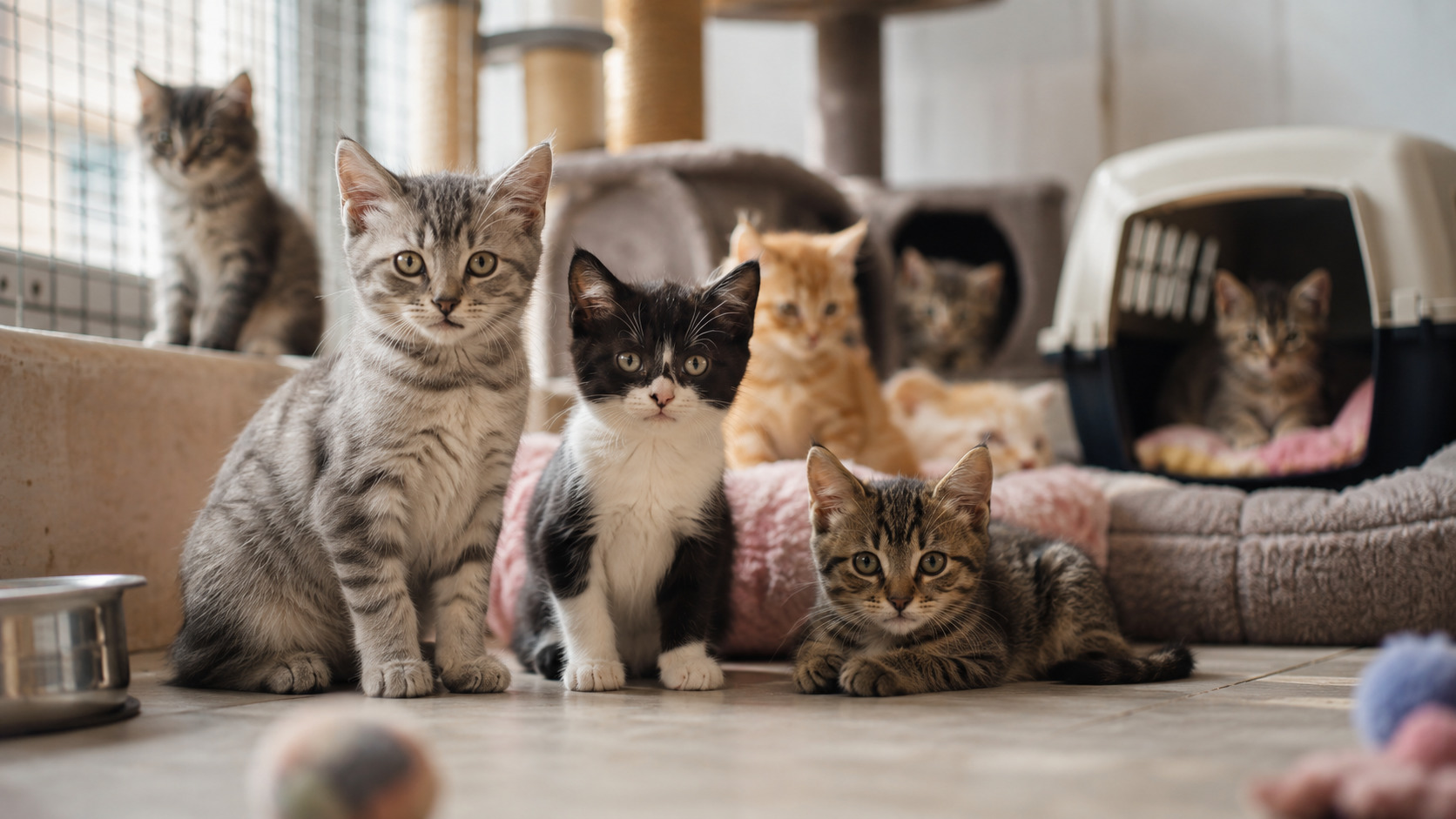
Theoretically, FIP can develop in any cat infected with FCoV. However, statistically, the disease is diagnosed more often in young animals. According to current ABCD recommendations, cats under two years of age are particularly commonly affected. Cornell also reports a substantial proportion of cases among kittens and young cats.
Higher risk is also associated with environments in which FCoV can circulate easily among large numbers of animals. These include shelters, breeding facilities, boarding environments, and multi-cat households. The more actively the virus circulates within a population, the more cats are exposed to FCoV.
Veterinary studies have also described an association between the development of FIP and stressful events, including moving to a new home, staying in a shelter, or other significant changes in living conditions. However, stress is not an independent cause of FIP, so it would be incorrect to say that a particular event directly "triggered" the disease. It is only one of the factors that may influence the immune response in a susceptible animal.
Some studies have also identified differences in risk depending on sex or breed background, but no breed is guaranteed to be protected from the disease. For an individual owner, it is more practical to focus not on breed but on age, living conditions, general health, contact with other cats, and the appearance of suspicious symptoms.
It is also important to understand that simply belonging to a risk group does not mean that a cat will develop FIP. Most animals exposed to FCoV do not develop feline infectious peritonitis.
Early Symptoms of FIP in Cats
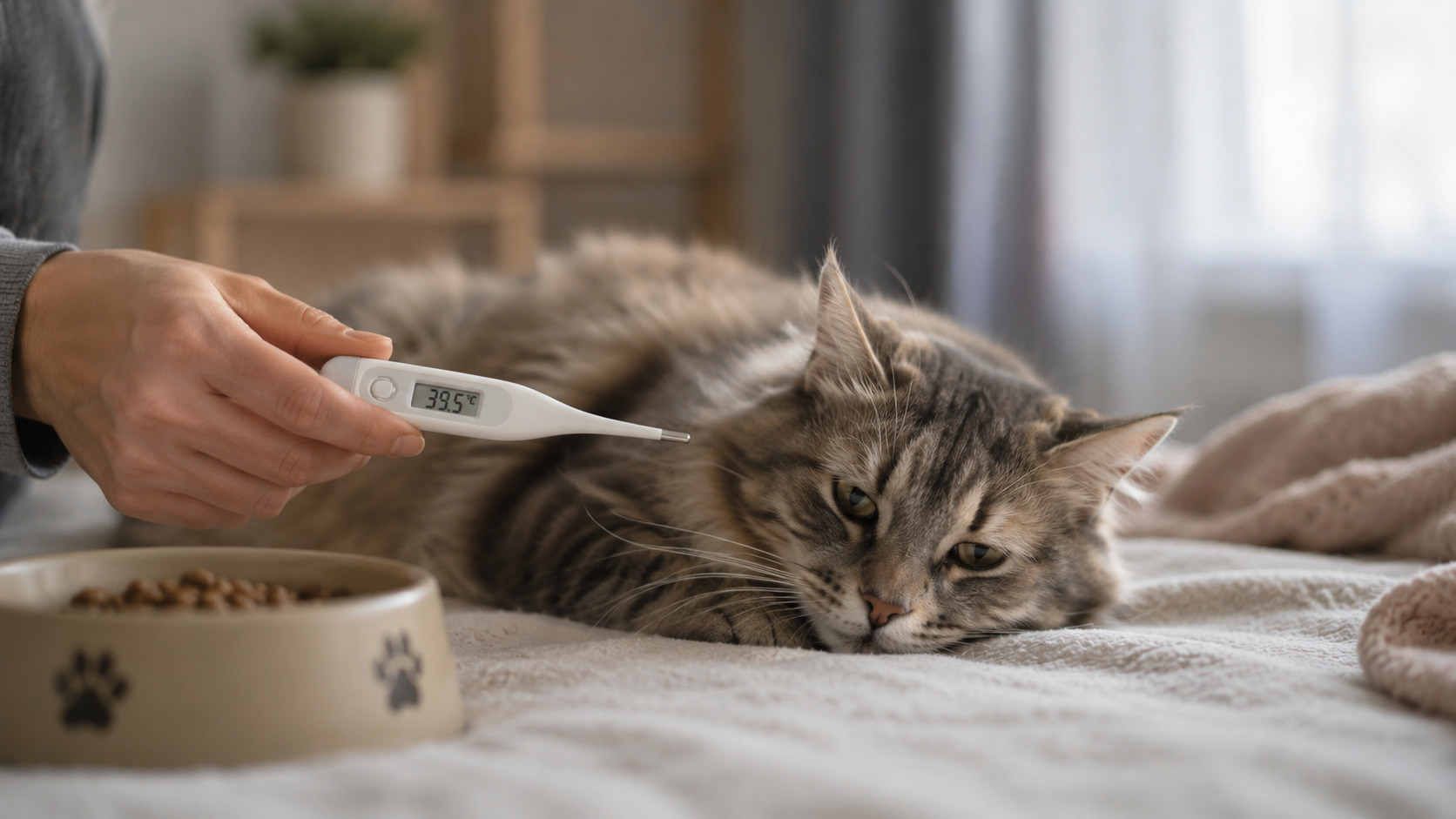
The beginning of the disease often lacks specific signs. This is why an owner may initially suspect an ordinary illness, stress, digestive problems, or another infection. The cat becomes less active, sleeps longer, eats less, and gradually loses weight. Body temperature may remain elevated or rise intermittently.
When discussing FIP symptoms in cats, the main difficulty is that almost no early sign on its own is specific to FIP. Loss of appetite, weight loss, fever, and lethargy occur with a wide range of infectious, inflammatory, oncological, and other diseases.
It is therefore important to assess not only a particular symptom but also how long it has been present, how it combines with other changes, and the overall progression of the cat's condition. If a cat feels worse for several days in a row or the owner notices progressive weight loss, abdominal enlargement, breathing difficulties, or problems with coordination, it is not advisable to wait for spontaneous recovery.
General recommendations on monitoring a cat's well-being, appetite, weight, and behaviour are also useful for recognising changes in health at an early stage.
General Symptoms of FIP
One of the most common nonspecific signs is reduced appetite. At first, a cat may simply eat less than usual or take longer to approach the food bowl, while as the disease progresses it may almost completely refuse food. Body weight gradually decreases as a result.
Lethargy also often develops gradually. An active cat may play less, interact less frequently with its owner, sleep more, and begin to hide. In kittens, poor weight gain or delayed overall development may sometimes be noticeable.
Fever can also be an important sign. With FIP, body temperature often remains elevated or fluctuates over a period of time. Veterinarians pay particular attention to persistent fever for which no other obvious cause can be identified.
Against the background of systemic inflammation, weakness, pale mucous membranes, deterioration in coat quality, and general loss of body condition may develop. In some animals, lymph nodes become enlarged or changes in internal organs are detected during palpation or ultrasound examination.
With FIP, changes in general health may be accompanied by deterioration in coat quality, but pronounced itching, redness, rashes, or localised hair loss are not typical signs of the disease. If these symptoms are predominant, other possible skin diseases in cats should also be considered, and a veterinarian should be consulted for differential diagnosis.
Cornell and ABCD also list weight loss, reduced appetite, fever, and depression among common manifestations of FIP. At the same time, these symptoms should be evaluated together with the results of a veterinary examination because they are not specific to FIP alone.
Symptoms Depending on the Organs Affected
The clinical picture varies depending on where the inflammatory process develops. Liver involvement may be accompanied by changes in blood chemistry, loss of appetite, and, in some cases, jaundice. When the kidneys are involved, a veterinarian may detect enlargement, structural changes on ultrasound, or abnormalities in laboratory results.
When abdominal organs are affected, the mesenteric lymph nodes may become enlarged and inflammatory nodules may form in tissues. Such changes are often identified by ultrasound examination.
Eye-related manifestations form a separate group. FIP can cause intraocular inflammation. The owner may notice a change in the colour or appearance of the eye, cloudiness, redness, unequal pupil size, or deterioration in the cat's ability to orient itself. Any sudden change in vision or eye appearance requires veterinary examination regardless of whether FIP is suspected.
Neurological FIP may cause impaired coordination, an unsteady gait, weakness of the limbs, tremors, behavioural changes, nystagmus, seizures, or other neurological abnormalities. Diagnosis is more difficult in such cases because similar symptoms may occur with many disorders of the central nervous system.
If fluid accumulates in the chest cavity, rapid or difficult breathing may become the main sign. When a significant amount of fluid accumulates in the abdomen, the owner may notice abdominal enlargement that contrasts with weight loss in other parts of the body.
This diversity of organ-related manifestations explains why FIP cannot be diagnosed from a single external symptom.
Forms of FIP in Cats
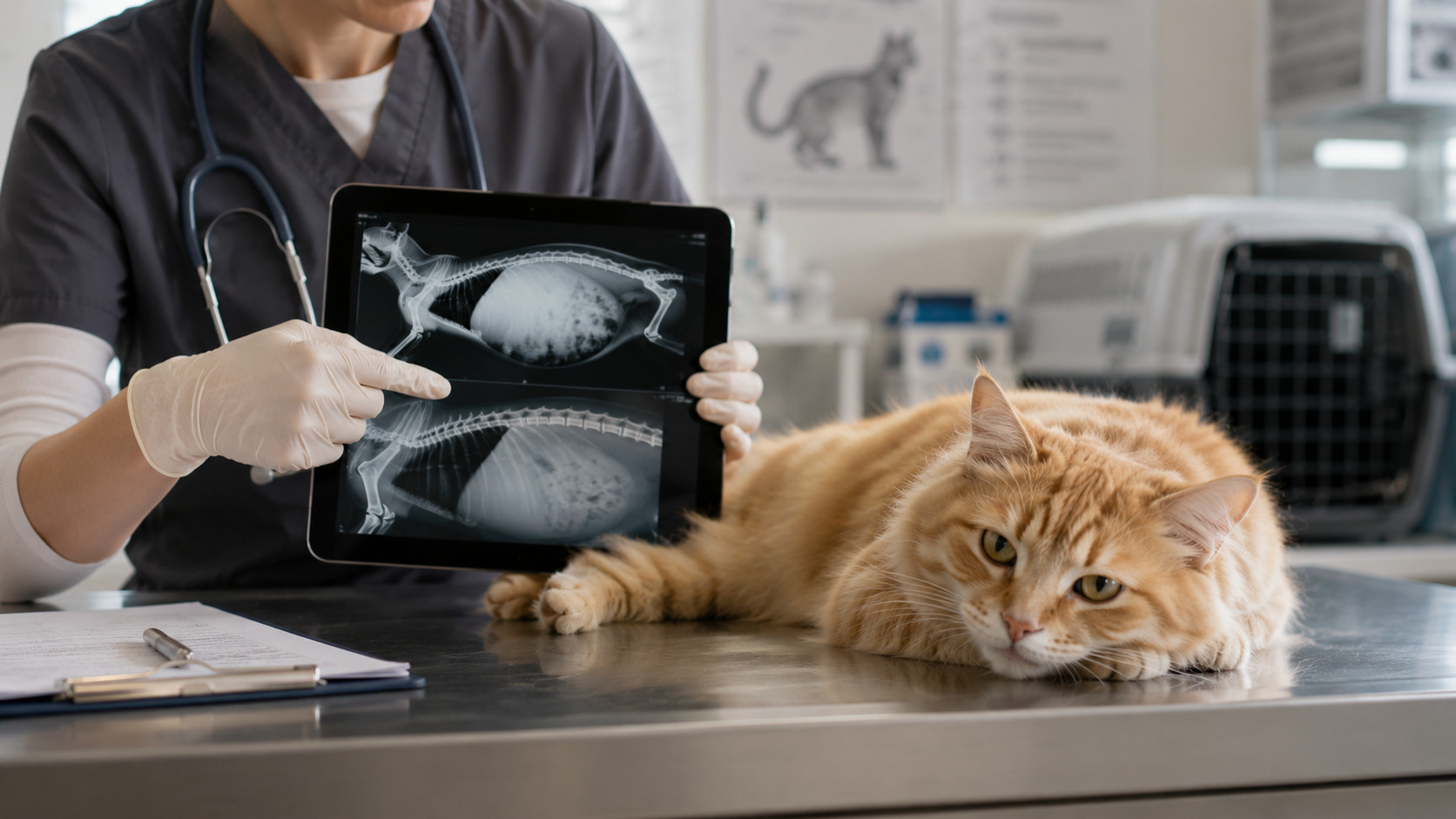
Traditionally, two main clinical forms of the disease are described - the exudative, or wet, form and the non-exudative form, often called dry FIP. However, current understanding of FIP does not consider them two completely separate diseases.
Both forms are manifestations of the same pathological process. The main difference concerns the nature of the inflammation and whether a significant amount of fluid accumulates within body cavities. A single cat may simultaneously show signs of different forms, and the pattern of disease may change over time.
For this reason, veterinarians assess not only the conventional name of the form but also the animal's overall clinical condition, the organs involved, the presence of effusion, ocular or neurological signs, and laboratory abnormalities.
Wet FIP
The exudative form is characterised by the accumulation of inflammatory fluid, most commonly in the abdominal or chest cavity. When the abdomen is affected, it gradually becomes enlarged. At the same time, the cat may continue to lose weight, so an enlarged abdomen combined with a thin body should not be ignored.
The presence of fluid in the abdominal cavity does not automatically mean FIP. Ascites may occur with heart disease, liver disease, tumours, and other conditions. However, in a young cat with fever, weight loss, lethargy, and characteristic laboratory changes, such a finding significantly increases suspicion of FIP.
If fluid accumulates in the chest cavity, it restricts normal expansion of the lungs. The cat may begin breathing more quickly, move less, assume an unusual body position, or breathe with visible effort. Severe breathing difficulty is an emergency regardless of its cause.
Examination of the effusion is very important for diagnosis. According to ABCD recommendations, when fluid is present, analysing it is one of the most useful diagnostic steps. Its appearance, cellular and biochemical composition are evaluated, and testing for FCoV may also be performed when indicated.
Wet FIP often progresses more quickly than the form without significant effusion. However, the rate of progression can vary between individual cats, so early diagnosis is important when characteristic signs appear.
Dry FIP
With the non-exudative, or dry, form, there may be no significant accumulation of fluid. Instead, inflammatory lesions develop in different organs and tissues. For this reason, symptoms of dry FIP are particularly varied and may develop gradually.
Involvement of abdominal organs may present as weight loss, poor appetite, intermittent fever, and changes in laboratory results. During examination, a veterinarian may identify enlarged lymph nodes or changes in the kidneys, liver, intestines, and other structures.
Eye-related signs are relatively characteristic in some cases. Inflammation of the internal structures of the eye may sometimes be one of the first reasons for seeking veterinary care. Changes may affect one or both eyes.
Neurological FIP is a particularly complex form. Its manifestations depend on the location of lesions within the central nervous system. Coordination may gradually deteriorate, the cat may begin walking unsteadily, falling, placing its paws abnormally, or showing other changes. Such symptoms always require professional neurological assessment.
Diagnosing dry FIP is often more difficult than diagnosing exudative FIP because there is no large quantity of fluid that can be easily examined. In such cases, the veterinarian combines blood test results, ultrasound and other imaging methods with examination of accessible abnormal tissues or other biological samples.
Can Dry FIP Progress to Wet FIP?
Yes, this is possible. The distinction between dry and wet FIP is primarily a clinical classification rather than a division into two separate diseases. In one cat, the pattern may change: non-exudative manifestations may predominate initially and effusion may develop later, or the opposite may occur.
Cornell notes that the exudative form can transition to the non-exudative form and vice versa. Some animals simultaneously have effusion together with local organ, ocular, or neurological lesions.
For this reason, the cat's condition must continue to be monitored after a preliminary diagnosis has been made. The appearance of a new symptom does not necessarily mean that another disease has developed or that the previous assessment was incorrect. FIP can change its clinical presentation as it progresses.
This characteristic is also important during treatment. A veterinarian evaluates not only whether fever or effusion has resolved, but also neurological status, eye condition, weight, appetite, laboratory values, and other signs relevant to the individual patient.
When Should You Contact a Veterinarian?
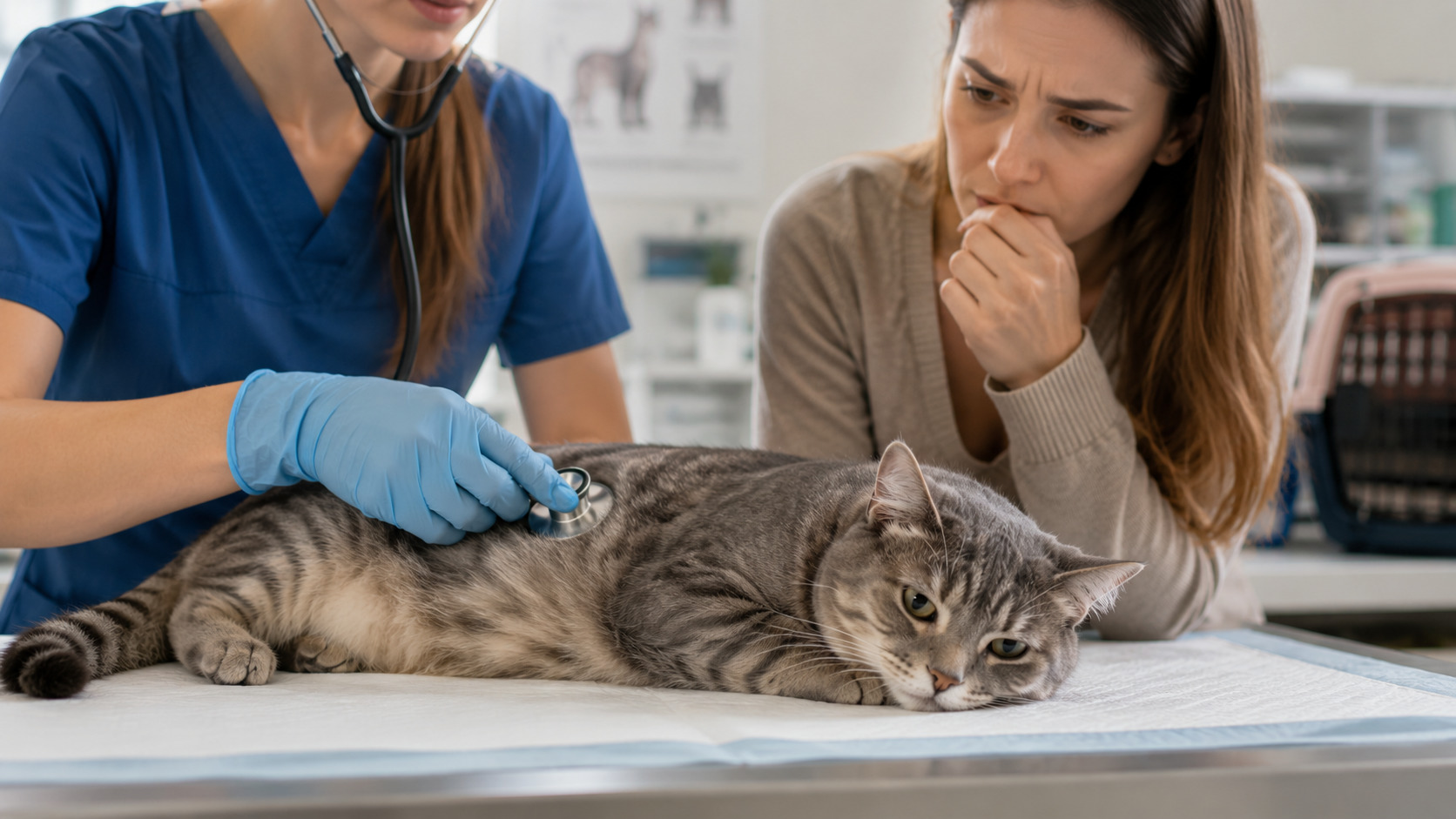
Early signs of FIP may be subtle, so it is incorrect to wait specifically for an enlarged abdomen or pronounced neurological problems. If a cat's condition is gradually deteriorating without a clear cause, it should be examined by a veterinarian before severe manifestations develop.
It is especially important not to delay examination in young cats and animals from multi-cat environments when general symptoms persist or worsen. A veterinarian should be consulted if the following changes occur:
- body temperature remains elevated or rises intermittently without an identified cause;
- the cat refuses food, eats significantly less than usual, or loses weight rapidly;
- the animal becomes markedly lethargic, hides constantly, or almost stops responding to familiar stimuli;
- the abdomen becomes visibly enlarged, particularly together with weight loss;
- breathing becomes rapid, shallow, difficult, or the cat breathes with its mouth open;
- an unsteady gait, falling, impaired coordination, tremors, seizures, or other neurological changes appear;
- the appearance of the eyes changes, including cloudiness, redness, pupil abnormalities, or suspected deterioration in vision;
- the general condition continues to worsen despite symptomatic treatment, or a previous diagnosis does not explain all of the changes.
The presence of one of these symptoms does not mean that the animal necessarily has FIP. However, each of these changes may indicate a serious disease and requires investigation of the underlying cause.
Difficulty breathing, repeated seizures, loss of the ability to stand normally, or a sudden deterioration in consciousness are particularly urgent situations. In such cases, immediate veterinary care is required rather than waiting for a scheduled appointment.
How Is FIP Treated in Cats?
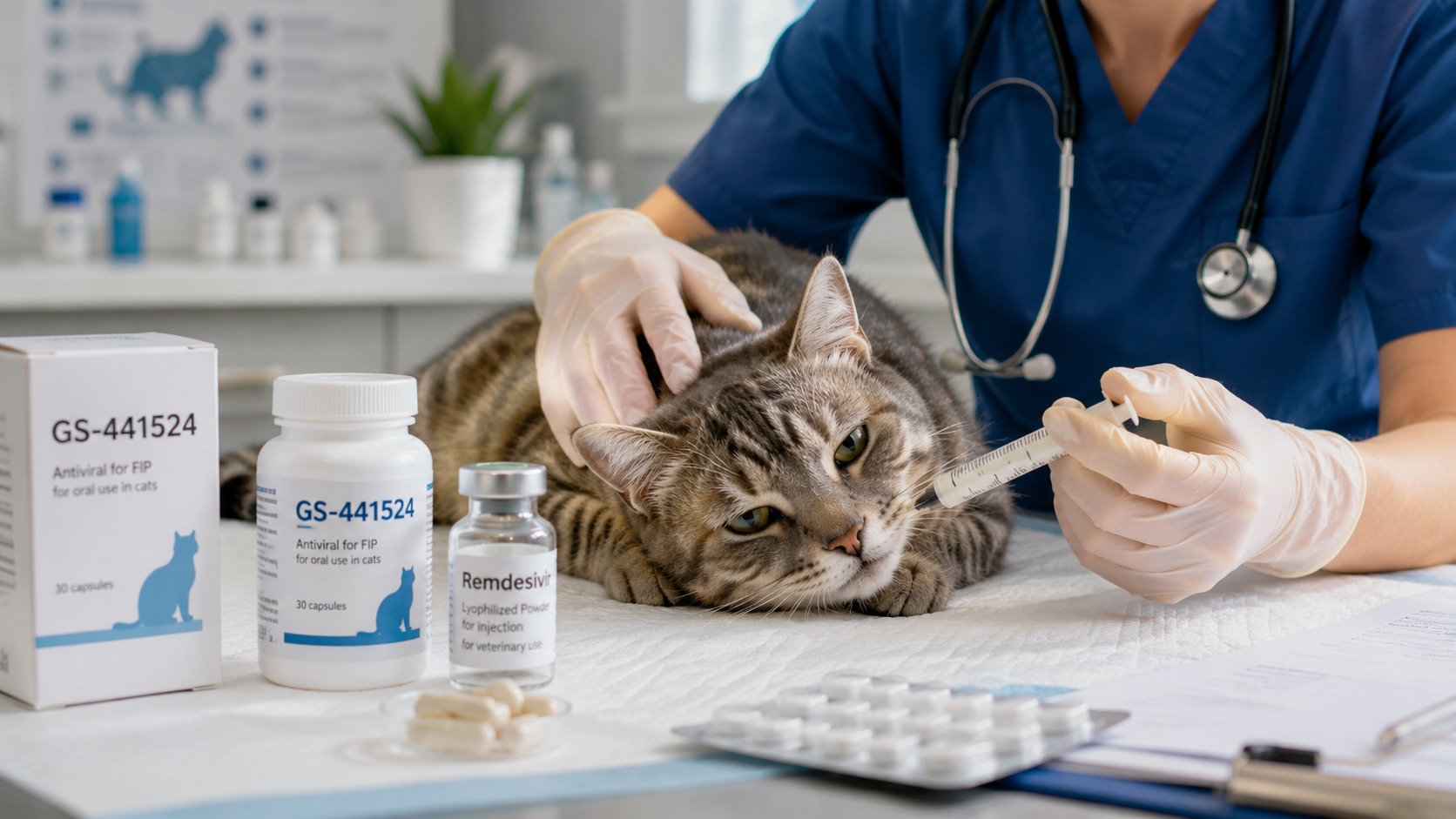
The approach to FIP has changed fundamentally in recent years. In the past, the disease was considered almost invariably fatal, and veterinary options were largely limited to supportive care. The emergence of antiviral medications has significantly improved the prognosis.
One of the most extensively studied medications is GS-441524, an antiviral compound that inhibits viral RNA replication. Current ABCD recommendations from 2026 describe oral GS-441524 as the most widely used antiviral treatment for FIP and report high rates of successful treatment when therapy is started promptly.
Remdesivir is also used in veterinary practice in certain countries. It is related to GS-441524 and may be used, for example, in severely ill animals that initially have difficulty taking oral medications. The availability of specific medications and the legal rules governing their use differ between countries.
Other antiviral medications are also being studied or used in certain protocols, but this does not mean that any of them can be purchased and given to a cat without veterinary supervision. The choice of medication depends on the form of FIP, severity of the condition, presence of neurological or ocular involvement, concurrent diseases, availability of medications, and current veterinary regulations.
Determining the dosage independently is particularly dangerous. During recovery, a cat may gain weight rapidly, while its clinical condition and laboratory results change. The veterinarian monitors the response to therapy and adjusts treatment when necessary.
Medication quality is equally important. International Cat Care and ABCD warn against unregulated products obtained from unofficial sources because the actual concentration of the active ingredient and the purity of such products may differ from what is stated. When a legally available medication with controlled quality is available, it should be prioritised.
Antiviral therapy does not exclude supportive treatment. Depending on the cat's condition, fluid therapy, nausea control, pain relief, nutritional support, seizure management, or treatment of concurrent diseases may be required. The specific combination of measures depends on the clinical picture.
A relatively rapid improvement in well-being is often an important sign of an appropriate response to antiviral therapy. According to current recommendations, with effective treatment, temperature, activity, and appetite begin to improve within the first few days in many animals. At the same time, rapid improvement does not mean that treatment can be stopped independently.
The duration of therapy should also not be determined based on forum advice or another cat's experience. Modern protocols continue to change as research accumulates, and decisions about treatment duration are made by the veterinarian based on clinical response and follow-up testing.
FIP should therefore no longer automatically be regarded as a hopeless diagnosis. The prognosis has improved significantly, but the outcome depends on accurate diagnosis, timely initiation of antiviral treatment, and professional monitoring.
How Can the Risk of FIP in Cats Be Reduced?
It is impossible to eliminate the risk of FIP completely. FCoV is widespread among cats, and exposure cannot always be prevented. This is particularly relevant for animals that live in groups or come from shelters and breeding facilities.
The owner's practical goal is primarily to reduce the intensity of FCoV circulation and maintain stable living conditions. Since the main route of transmission is faecal-oral, litter box hygiene is particularly important.
The main preventive measures can be organised as follows:
- Remove faeces from the litter box regularly and periodically clean the entire litter box thoroughly, preventing significant accumulation of contamination.
- In a household with several cats, provide a sufficient number of litter boxes and place them in different locations, away from food and water.
- Keep food and water bowls, floors, carriers, sleeping areas, and other surfaces used by several animals clean.
- Avoid keeping too many cats in a small space when it is possible to provide separate resources and resting areas.
- Introduce new animals to the group gradually and, when appropriate, discuss quarantine and FCoV testing with a veterinarian, especially in breeding facilities or large groups.
- Minimise prolonged stress by providing a predictable routine, enough resting places, opportunities to avoid conflict, and comfortable access to food, water, and litter boxes.
- Seek veterinary attention promptly if appetite, weight, temperature, or behaviour remain abnormal rather than giving antiviral medications preventively to a healthy cat without FIP.
At the same time, prevention should not turn into an attempt to create a completely sterile environment. FCoV is very common, and a positive test in a clinically healthy cat does not by itself mean that the animal will develop FIP.
ABCD recommends regular removal of faeces to reduce FCoV transmission, keeping litter boxes away from food and water, and, in multi-cat households, aiming for approximately one more litter box than the number of cats. Small, stable groups of animals and stress reduction also remain important.
GS-441524 or other antiviral medications should not be given independently to a healthy cat solely to stop FCoV shedding. Current ABCD recommendations consider this practice controversial, including because of the potential risk of developing viral resistance to antiviral agents. Antiviral therapy is primarily intended for animals with FIP and should be administered according to veterinary indications.
Conclusion
FIP in cats is a systemic disease associated with feline coronavirus FCoV and a complex interaction between the altered virus and the animal's immune system. Most cats exposed to FCoV do not develop FIP, so a positive feline coronavirus test should not automatically be interpreted as a diagnosis of feline infectious peritonitis.
Early symptoms are often nonspecific: the cat becomes lethargic, eats less, loses weight, and may have persistent or intermittent fever. As the disease progresses, the clinical presentation depends on the organs involved. Wet FIP is associated with fluid accumulation in the abdominal or chest cavity, while dry FIP may predominantly affect internal organs, the eyes, or the nervous system. The distinction between these forms is not absolute - they may occur together or transition from one to another.
Diagnosing FIP requires a comprehensive approach. No ordinary positive FCoV test should be evaluated in isolation. The veterinarian compares clinical signs with laboratory findings, imaging results, and, when necessary, examination of effusion or abnormal tissues.
The most important change in recent years concerns treatment. Effective antiviral therapy has significantly changed the prognosis for cats with FIP, and current veterinary recommendations no longer consider this disease invariably incurable.
At the same time, the medication, its formulation, duration of treatment, and the need for additional supportive care must be determined by a veterinarian. Self-treatment, the use of unverified products, or stopping therapy as soon as the cat improves may reduce the chances of a successful outcome.
If a cat has persistent fever, loss of appetite and weight, an enlarging abdomen, breathing difficulties, vision problems, or impaired coordination, it is not advisable to wait for the full clinical picture to develop. Timely veterinary examination makes it possible to identify the cause of the symptoms sooner and, if FIP is confirmed, begin modern treatment.